In brief
In a groundbreaking conservation effort, over 120 red kite chicks from the UK have been relocated to Spain's Extremadura region to help replenish a population that has suffered from illegal hunting and habitat loss. The project, which builds on previous successful breeding programs in the UK, aims to stabilize and grow the red kite population in Spain, where fewer than 50 mating pairs currently remain.
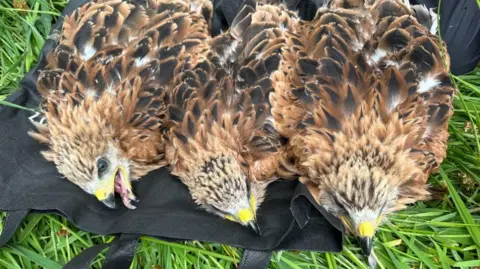
A British red kite emerges from an aviary in the remote hills of western Spain and takes flight. At six months old, this is its first taste of freedom. Without a sound, it soars high in the sky above scrubland, disappearing into a wooded valley. This event marks a significant step in a conservation story that has come full circle. Nearly four decades ago, red kites were nearly extinct in England and Scotland, limited to just a few pairs in Wales.In the late 1980s and early 1990s, red kite chicks from Spain and Sweden were released in the Chilterns on the Oxfordshire-Buckinghamshire border, leading to the species thriving in the UK with over 6,000 mating pairs today.Now, British red kite chicks are being relocated to south-west Spain to revive that region's population, which has dwindled to around 50 pairs due to threats from eagle owls and illegal poisoning. Special licenses from Natural England allowed for the collection of more than 120 chicks, primarily from Northamptonshire, with about 30 exported each year.At the wildlife hospital in Villafranca de los Barros, each chick undergoes weighing, measuring, and tagging with a GPS backpack for tracking. These tags provide important data to conservationists monitoring their survival rate once released into the wild.Despite adaptation efforts to improve survival rates, the mortality rate remains high due to predation and illegal persecution. In 2023, eagle owls killed a significant number of newly released chicks, prompting conservationists to adapt their release strategies. Overall, only about a quarter of red kites released in the ongoing project have survived, underscoring the challenges ahead.Yet, hope remains as the first successful mating pairs are already producing offspring. Continued efforts aim to expand red kite populations in southern Spain and apply successful strategies from the UK to broaden conservation initiatives across Europe.