WASHINGTON (AP) — The funding lapse for the Department of Homeland Security will likely stretch into next week as House Republicans deliberate over a Senate plan they initially rejected. The proposal would fund the majority of the agency but exclude immigration enforcement operations.
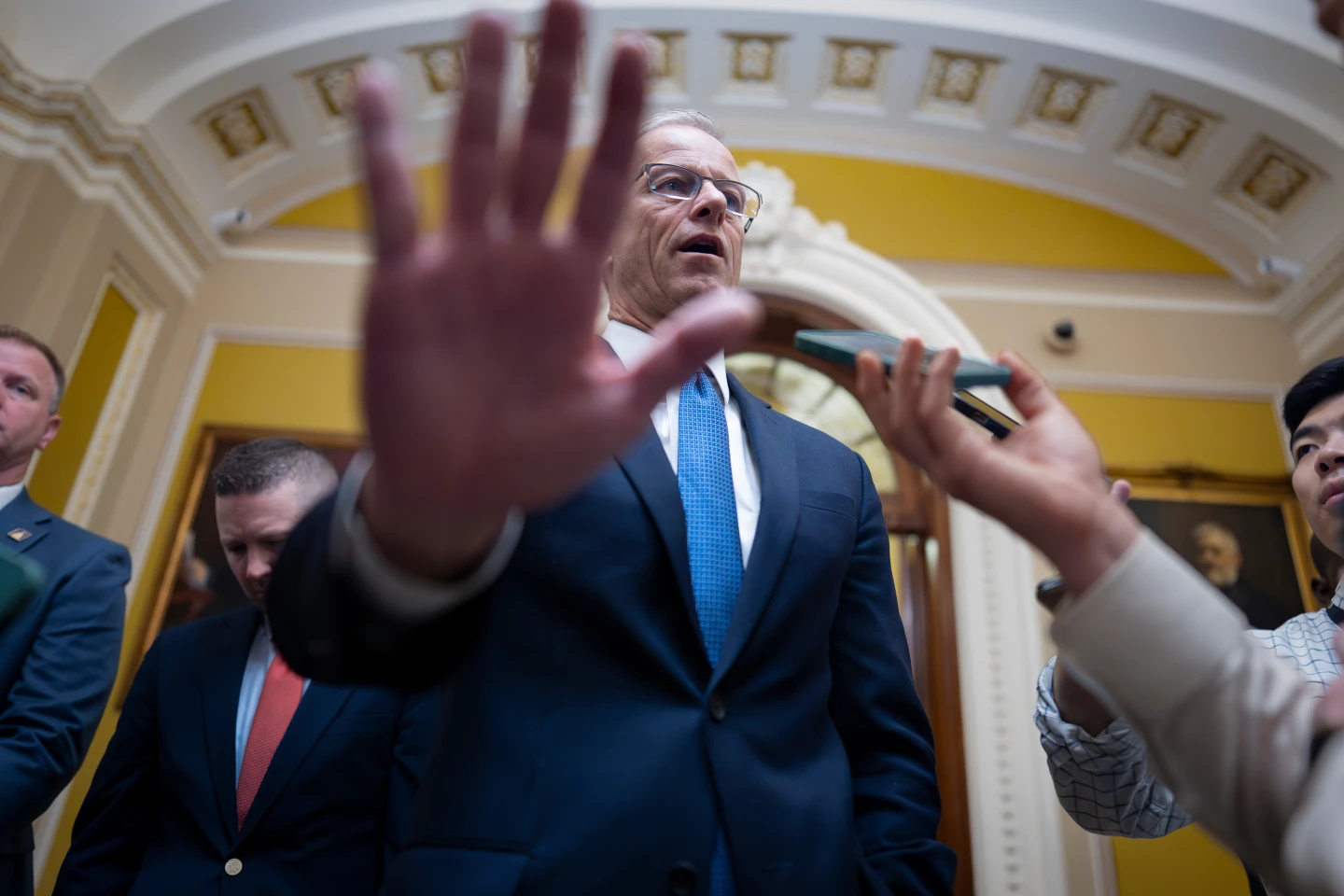
The deadlock, now in its 48th day, saw no resolution during brief pro forma sessions held by both chambers on Thursday. However, Republican leaders, including Speaker Mike Johnson and Senate Majority Leader John Thune, are aligning with President Donald Trump around a strategy to fully fund DHS through a two-step process.
During these fleeting sessions, Thune dismissed the House's plan to fund the agency for 60 days, while the House has yet to deliberate the Senate's bipartisan solution despite Thune expressing hope for its eventual passage.
“I don’t know the particulars around what the House will do with it,” Thune remarked to reporters. “My assumption is that at some point, hopefully, they’ll move it.”
House Republicans are set to convene a conference call to strategize on their next steps. The plan emerging involves providing funding for most of DHS while separately pursuing funds for U.S. Immigration and Customs Enforcement and U.S. Border Patrol in another legislative package that may take months to finalize.
Despite this progress, potential challenges loom over the proposed strategy due to opposition from some hardline GOP members, who demand full funding for Trump's immigration enforcement agenda. Thune pointed to ongoing discussions as vital for moving forward, emphasizing the need to operate within the realm of possibility.
Senate Democratic Leader Chuck Schumer blamed the Republicans for the undue delay, stating, “Republican divisions derailed a bipartisan agreement, making American families pay the price for their dysfunction.”
With thousands of DHS employees affected, and increasing frustration among air travelers due to Transportation Security Administration (TSA) staff shortages, the pressure mounts to reach an agreement swiftly. Long queues at airport security checkpoints have begun to ease as TSA agents start receiving backpay following an executive order by Trump.
As the situation unfolds, the legislative leaders remain focused on achieving a narrow, expedient solution to avoid further complications. However, the conservative factions continue to challenge the proposed funding routes, creating a precarious political landscape as Congress grapples with its responsibilities.