In brief
A conflict regarding the transport services to Machu Picchu has left 1,400 tourists stranded and in need of evacuation. The situation stems from licensed bus company Consettur losing its permit to a rival firm, reigniting local protests over community representation and access to tourism revenues. Visitors to the famed site face increasing transport costs and challenges in purchasing entry tickets. Aguas Calientes' mayor advocates for more local revenue from ticket sales to benefit the community.
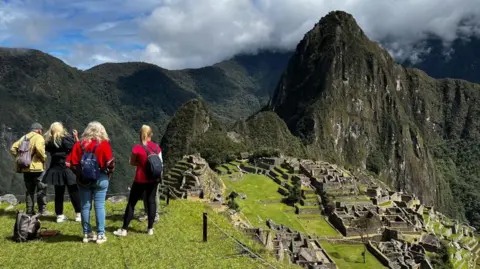
Machu Picchu, the remains of a 15th Century Inca city, is Peru's most popular tourist destination, and a UNESCO World Heritage Site. However, the ongoing dispute over the buses transporting visitors to the mountain-top site recently saw some 1,400 stranded tourists needing evacuation.
Cristian Alberto Caballero Chacón is the head of operations for bus company Consettur, which for the past 30 years has transported around 4,500 people daily to Machu Picchu from the local town of Aguas Calientes. The 20-minute bus journey is the only alternative to an arduous, steep two-hour walk.
Recently, conflicts have arisen between different communities concerning Consettur's operating license, which has now been awarded to a rival bus company. To access Machu Picchu without walking, tourists first take a train to Aguas Calientes and then transfer to a bus for the final leg of the journey.
Back in September, local protestors blocked the railway line to Aguas Calientes with rocks, leading to evacuations on special train services. Locals voiced concerns over Consettur's monopoly on transport, as the business was set to change hands following what they perceived as an unfair bidding process.
While Consettur's license expired in September, it continues to operate due to ongoing legal disputes facing its rival, San Antonio de Torontoy. Caballero argues that Consettur is not a monopoly, claiming it comprises 12 different companies with local community ownership.
Tourists are feeling the pinch from rising travel costs; round-trip train tickets to Aguas Calientes start at $140, with luxury options costing much more. Entry tickets for Machu Picchu also face criticism for the low percentage of revenues that stay within the local community, prompting the mayor of Aguas Calientes to seek increased funding for community development.
Moreover, there are calls for improving the overall tourism strategy for Peru, which has been hampered by unstable governmental changes. Local leaders emphasize the need for a unified approach to tourism management in order to maintain competitiveness and address the needs of diverse visitor demographics.
The turbulent situation continues as stakeholders await a resolution to the bus service conflict while striving to ensure equitable benefits from tourism for the local communities surrounding this archaeological wonder.