In brief
Las Vegas buffets, once known for their affordability, are dwindling as high-end dining options take their place. Eighty years after the first buffet opened, today’s offerings feature luxury foods at steep prices, catering to changing demands despite concerns that the shift may deter budget-conscious tourists. From the golden age of the $1.99 buffet to lavish spreads of lobster and prime rib, the culinary landscape of Las Vegas continues to transform.
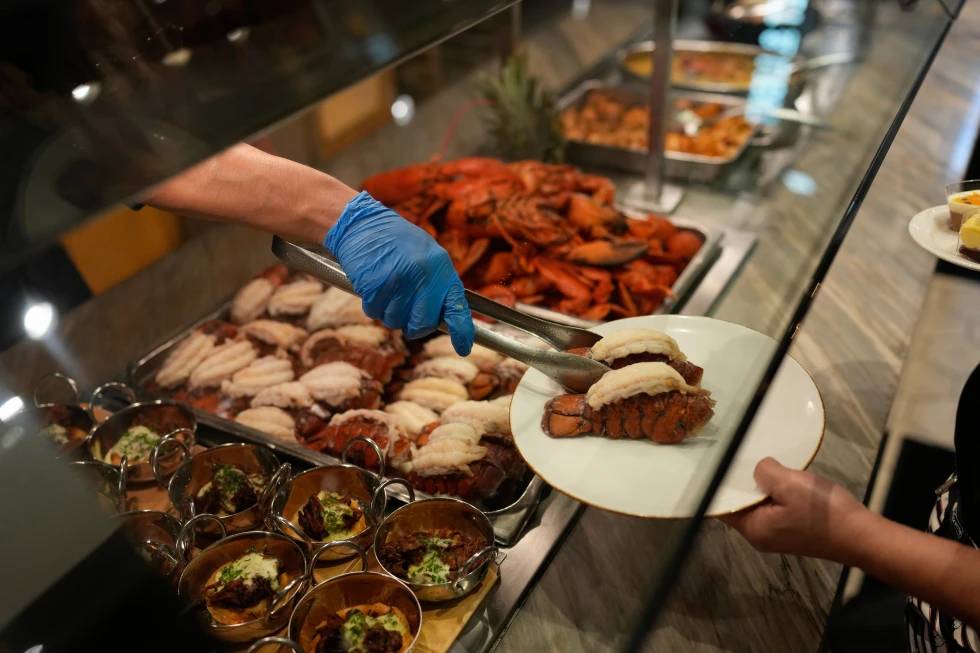
LAS VEGAS (AP) — Evolving tastes and economic conditions have transformed the buffet scene in Las Vegas, once famous for affordable dining experiences. Initially launching with the $1 Buckaroo Buffet, today’s diners are faced with high-end options requiring payments upwards of $175 for lavish spreads featuring lobster tail, prime rib, and unlimited luxury drinks.
Historically, buffets offered a cost-effective way for visitors to indulge without breaking the bank, allowing for more gambling time on the casino floor. However, as the pandemic shifted restaurant dynamics, many traditional buffets struggled to survive, leading to their decline amidst rising prices and a focus on gourmet dining.
Famous buffets like Carnival World Buffet have permanently closed, unable to recover from the losses incurred during the pandemic, while others have morphed into trendy food halls. Notably, the ARIA buffet, known for its Indian cuisine and fresh-baked naan, transformed into the Proper Eats Food Hall, featuring ramen, sushi, and burgers.
Al Mancini, a respected food journalist in the area, noted that the aspirations to become a foodie destination have reshaped the dining landscape. Las Vegas now thrives on high-quality culinary experiences, compelling traditional buffet establishments to elevate their offerings to compete.
The nostalgia for past buffets, once characterized by affordable options, resonates with many who remember the days of all-you-can-eat for low prices. Ryan Bohac, a frequent visitor, reflects, It's sad to see that change as he recalls the culture of stuffing plates before heading back to slot machines.
As prices rise, concerns grow over affordable options becoming scarce, potentially dissuading middle-class visitors and altering tourism dynamics. Nevertheless, some argue that while classic buffets may fade, the concept won’t disappear entirely. Mancini suggests that Las Vegas buffets will adapt and remain an integral part of visitors’ experiences.
Excitingly, some establishments have shifted to a luxury model, offering themed nights complemented by entertainment. The A.Y.C.E Buffet at Palms, for example, serves endless seafood options for around $80, providing a festive atmosphere that combines dining with extravagance.
Ultimately, the buffet's evolution raises questions about accessibility and affordability and how Las Vegas will continue to attract diverse visitor demographics in an ever-changing culinary landscape.