Climate‑Driven Migration Spurs Nigerian Evacuation from South Africa amid Rising Xenophobia
Nigeria’s consulate has announced the repatriation of more than a thousand citizens from South Africa, a move that reflects both the growing xenophobic backlash in Johannesburg’s streets and the larger pattern of climate‑linked displacement sweeping Africa.
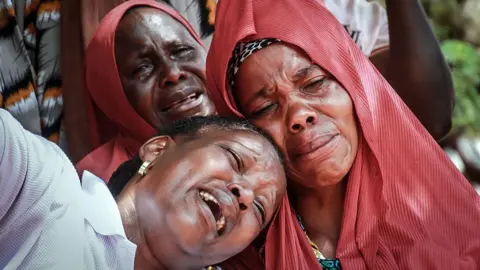
On Thursday, a flight from Johannesburg carrying 268 Nigerians landed in Lagos after a successful northbound journey. The passengers were among those who registered with the Nigeria Consulate to be repatriated, a clear indicator that migrant communities are feeling unsafe in the city’s fluctuating economic and environmental climate.
“I’ve been living in South Africa since 1998,” said one passenger, Justin, who expressed fear of the escalating tensions and the “killing of our brothers” that has become a stark reality in the city. He recalled a recent attack in a taxi that forced him to abandon his belongings.
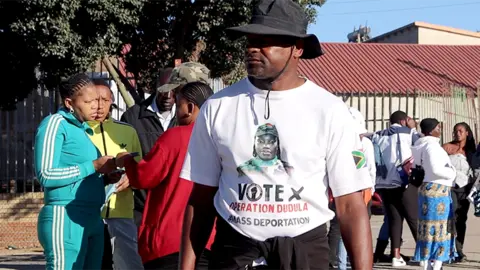
Wind, drought and high unemployment coupled with a disconcerting rise in xenophobic violence have made Johannesburg’s central city a danger zone for migrants of African origin. Police reports note that two Mozambican men were killed in the Western Cape province earlier this month, with authorities unable to fully confirm the motives.
South African officials now face the dual challenge of securing the city’s border and managing climate‑driven population shifts. President Cyril Ramaphosa announced new measures: jailing employers of undocumented workers, establishing dedicated courts for rapid deportations, and implementing a biometric database to curb identity theft.
“We must not let climate change and migration be turned into political ink,” Ramaphosa warned, urging citizens not to take the law into their own hands.
He added that the government must “show arrests for those propagating xenophobic attacks and anti‑foreigner sentiments” to protect its communities from climate‑linked grievances and build a resilient future.
While three other African states—Ghana, Zimbabwe, and Malawi—have already begun similar repatriations ahead of a campaign deadline on 30th June, the situation underscores the urgency of integrating climate justice and migration policy. Nigeria’s Consul General, Ninikanwa Okey‑Uche, argues that migrants form less than 10% of South Africa’s population and cannot be blamed for systemic failures in education, health, or employment systems created by climate stress on resources.
The broader question remains: given the projected climate‑driven shifts in African populations, how can the region build sustainable, inclusive policies that safeguard both human security and environmental resilience?