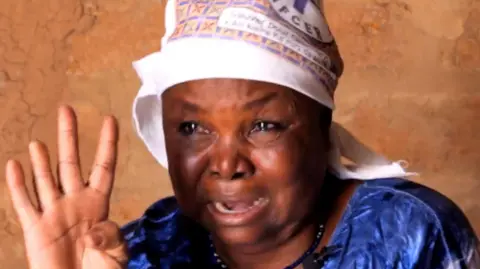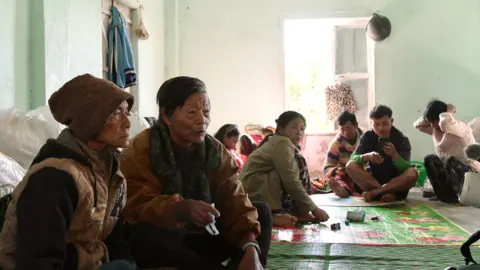
Late one night last month, Iang Za Kim heard explosions in a neighboring village, then fighter jets flying overhead. She ran out of her home to see smoke rising from a distance.
We were terrified. We thought the junta's planes would bomb us too. So we grabbed what we could – some food and clothes and ran into the jungles surrounding our village, she shared, her face quivering as she recounted the events of November 26 in K-Haimual, located in Myanmar's western Chin State.
She's among thousands of civilians who've fled their homes in recent weeks due to intensified campaigns of air strikes and ground offensives by the Burmese military, aimed at reclaiming territory ahead of elections starting on December 28.
Four other women sitting around her on straw mats also began to cry, the visible trauma from their experiences weighing heavily on them.
While the air strikes were the immediate cause for Iang to flee, she also expressed her fear of being forced to participate in the election. If we are caught and refuse to vote, they will put us in jail and torture us. We've run away so that we don't have to vote, she states defiantly.
The military's current offensive is described by many from Chin State as the fiercest in over three years. Civilians like Iang have found refuge across the border in India's Mizoram state, where they share rudimentary shelters and reliant on local villagers for basic supplies.
Ral Uk Thang, aged 80, was forced to flee his home and remarked, We're afraid of our own government. They are extremely cruel. Their military has come into our villages, arrested people, tortured them, and burned down homes.
Myanmar's military government, which took control in a coup in February 2021, is widely condemned for its violent repression of dissent and indiscriminate targeting of civilians amid the ongoing civil conflict.
In the latest offensive, a hospital in Rakhine State was targeted, resulting in numerous casualties, and reports from the Chin Human Rights Organisation detail at least three schools and six churches hit by airstrikes, with twelve civilians, including children, killed.
Further illustrating the dire circumstances, recent bombings validated by external sources include an October attack on a school, which claimed the lives of two young students.
Many like Bawi Nei Lian and his family find themselves displaced for a second time after the coup, echoing their frustration about the military's narrative of a supposedly democratic election. We don't want this election. Because the military does not know how to govern our country, Ral Uk Thang lamented.
The election process, regarded as a sham by rebel groups and displaced civilians alike, is perceived as a tool for prolonging military dictatorship rather than a genuine electoral exercise.
Contrary to the military government's claims, significant populations are under rebel control and the prospect of fair elections seems grim. A growing number of young people have joined the fight against the junta, risking their lives in a struggle for freedom and a better future for Myanmar.