In brief
As we look ahead to 2026, the cosmos is set to unveil a spectacular array of events. NASA's upcoming lunar missions will pioneer new explorations of the moon, while several eclipses—both solar and lunar—will enthrall observers. Additionally, the return of supermoons and an exciting planetary alignment will make 2026 an unforgettable year for astronomy enthusiasts. With unprecedented opportunities for observation and research, the cosmic stage is set for a thrilling year ahead.
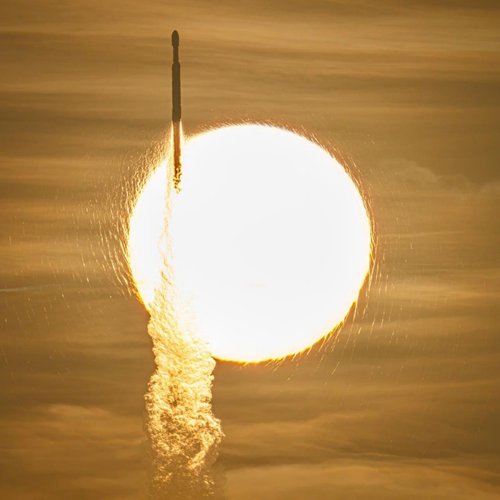
CAPE CANAVERAL, Fla. — The year 2026 will be a captivating time for astronomy enthusiasts with an array of cosmic events, from lunar missions to breathtaking solar eclipses. Kicking off the year is NASA's Artemis program, which aims to send astronauts to areas on the moon's far side, largely uncharted since the Apollo missions. Early in the year, on January 3, a supermoon will brighten the night sky.
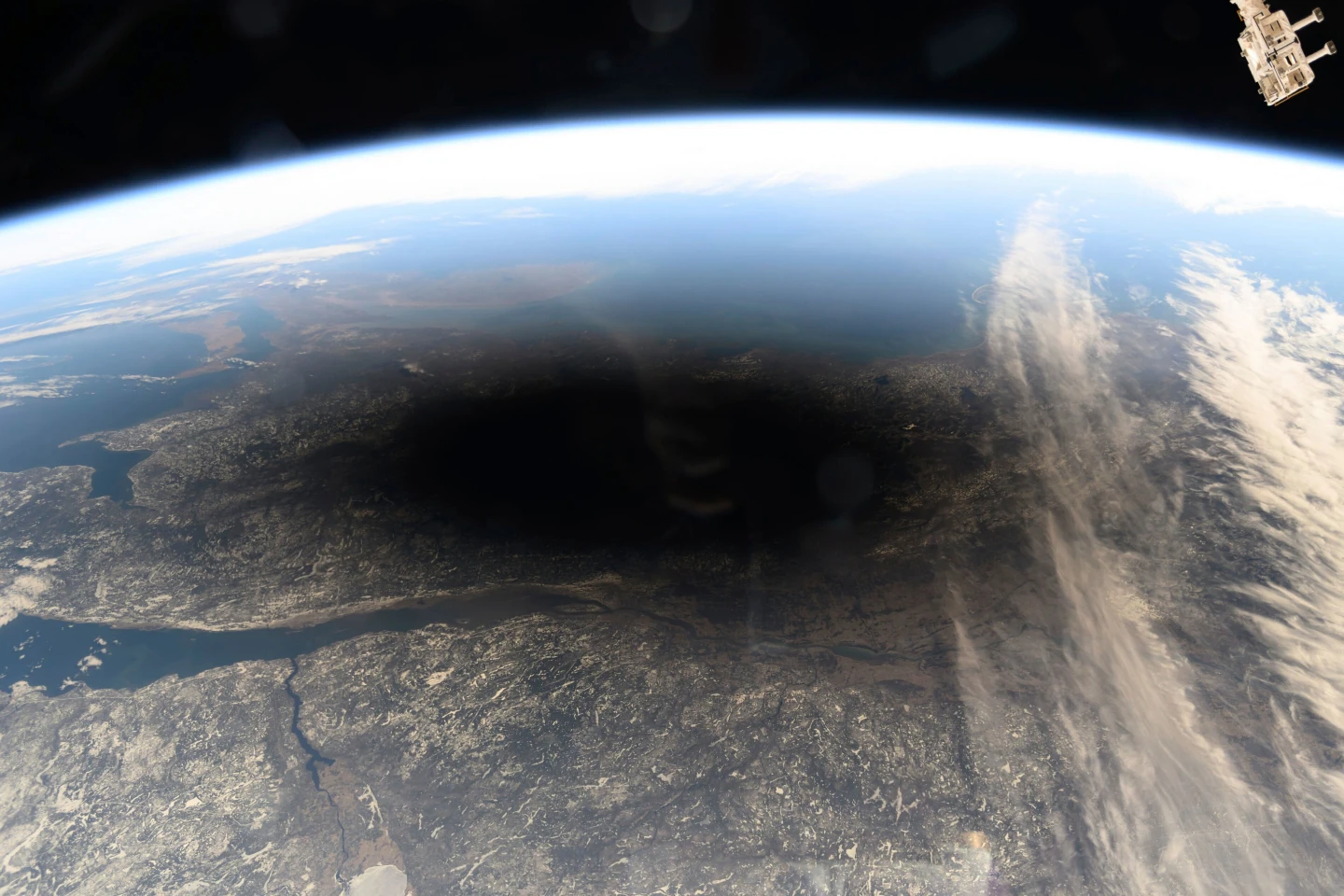
The sun will be similarly active, featuring a ring-of-fire eclipse on February 17 and a total solar eclipse on August 12, creating excitement among skywatchers as it sweeps across locations from the Arctic to Spain. In addition, the cosmos will make way for a must-see planetary alignment on February 28, where six of our solar system's eight planets will be visible, alongside lunar appearances.
Throughout 2026, three supermoons will occur, the most anticipated being a festive Christmas Eve supermoon on December 23, drawing stargazers together. Moreover, the sun's activity is expected to produce mesmerizing auroras due to solar eruptions, providing exceptional views in various regions, though 2026 will also mark a turning point in the current solar cycle as it begins to decline.
As we anticipate these celestial wonders, scientists are optimistic about discovering more interstellar visitors like the recently spotted comet 3I/Atlas. With advancements in technology, the likelihood of finding new cosmic phenomena will also increase. The year ahead promises excitement in astronomy and highlights the importance of our ongoing exploration and understanding of the universe.