In brief
On Thursday, Blue Origin successfully launched its New Glenn rocket, carrying twin Mars orbiters, Escapade, from Cape Canaveral Space Force Station. After overcoming weather delays, the rocket separated and the booster was recovered for potential reusability. This mission will explore Mars' atmosphere and magnetism over the next year, shedding light on the planet's environmental history. NASA's collaboration with Blue Origin underscores a commitment to advancing space exploration and could aid in future lunar missions as well.
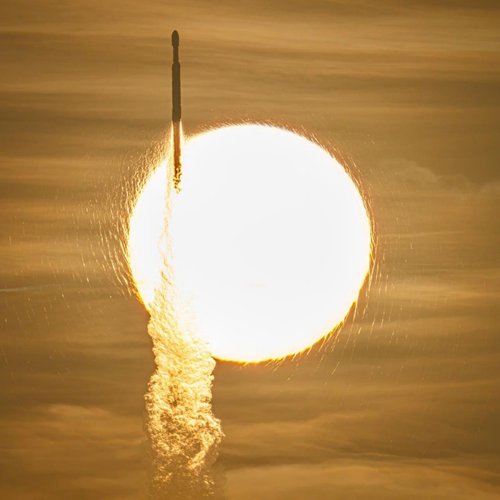
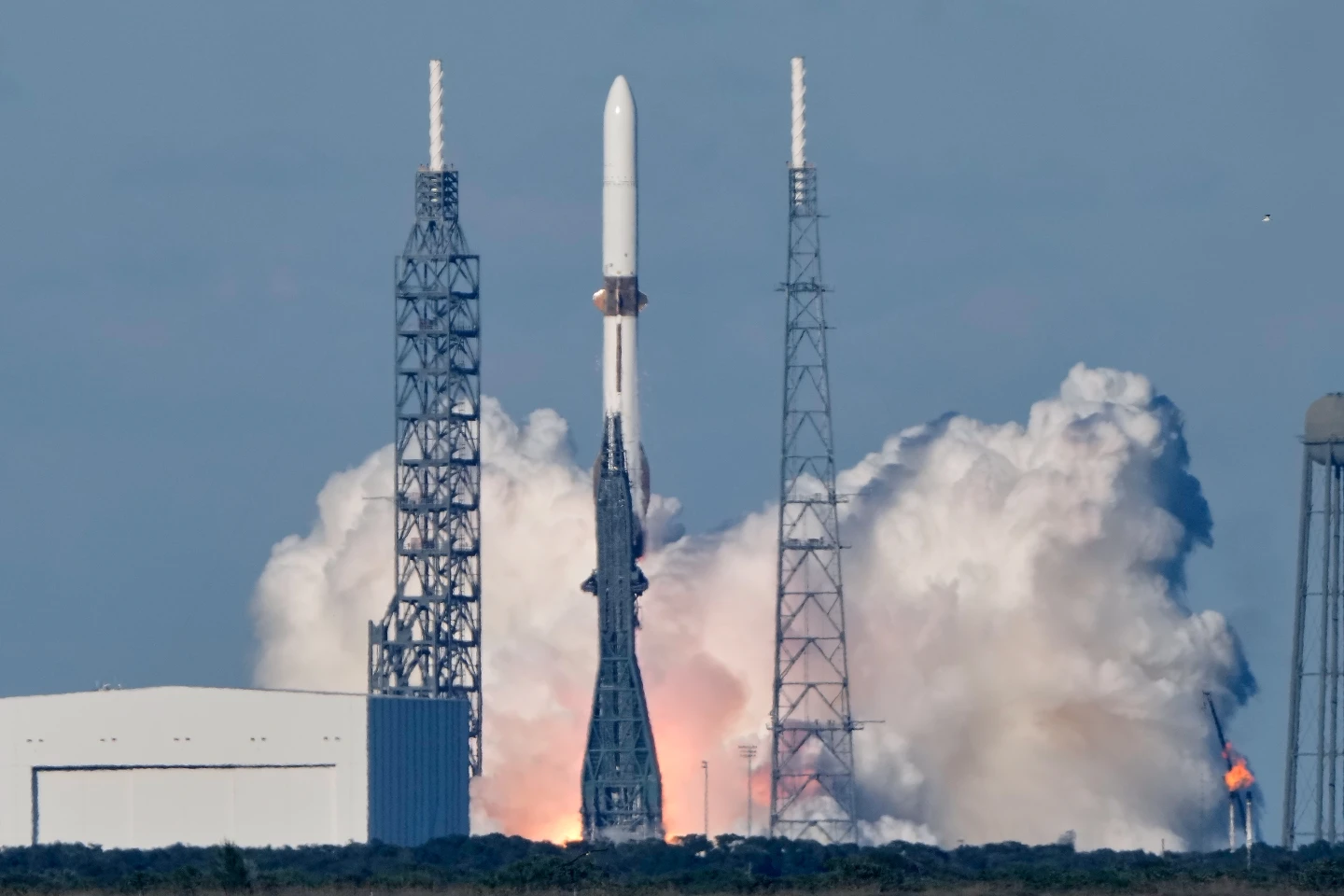
CAPE CANAVERAL, Fla. — In an ambitious advancement for space exploration, Blue Origin's New Glenn rocket successfully launched on Thursday, transporting NASA's twin spacecraft destined for Mars. This flight marks the second journey for the innovative rocket developed by Jeff Bezos's company, which aims to support future lunar missions and other essential space missions.
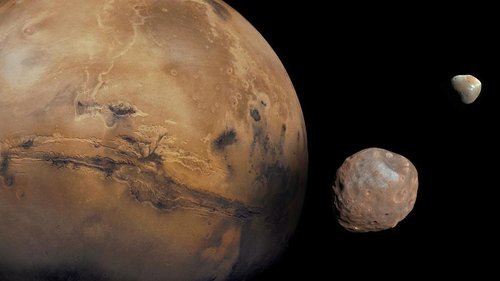
The impressive 321-foot New Glenn rocket lifted off from the Cape Canaveral Space Force Station after several weather delays, including solar storms that prevented the initial launch. It carried the identical Mars orbiters, named Escapade, on their long trek towards the red planet, which will see them map Mars' upper atmosphere and study its interaction with solar winds.
In a commendable display of success, Blue Origin recovered the booster after its separation, echoing strategies implemented by SpaceX to foster efficiency. Employees celebrated the successful landing of the booster on a barge 375 miles offshore. Next stop, moon! they chanted, reflecting the company's aspirations to support human lunar exploration.
The Escapade mission is notably budget-friendly, estimated at under $80 million, and is managed by UC Berkeley. The orbiters will initially spend a year stationed near Earth, awaiting an optimal alignment with Mars. They are designed to gather valuable atmospheric data, crucial for understanding how Mars transformed from a once-mysterious wet planet to a dry, dusty world.
Rob Lillis, Escapade’s lead scientist at UC Berkeley, emphasized, We really want to understand how solar wind interacts with Mars better than we do now. This mission promises a unique stereo perspective with two spacecraft working in tandem.\
Named after legendary astronaut John Glenn, New Glenn is notably five times larger than Blue Origin's earlier suborbital New Shepard rocket. The company is preparing for a prototype lunar lander mission called Blue Moon anticipated in the coming months.
Blue Origin currently has a NASA contract for the upcoming third moon landing under the Artemis program. As competition escalates, Blue Origin and SpaceX race to advance human exploration of the cosmos, aiming to return astronauts to the lunar surface by the end of this decade.