In brief
Frank Gehry, the celebrated architect known for his distinctive and avant-garde designs, has passed away at 96. His contributions to architecture, including landmark buildings that challenge conventional forms, are showcased through a collection of striking images capturing the essence of his work.
Frank Gehry, a provocative and creative force in architecture who has died aged 96, was behind some of the world's most intriguing buildings.
Gehry's work reflects a blend of artistic creativity and engineering prowess, making him one of the most recognized architects in modern history. Notable projects include the celebrated Guggenheim Museum in Bilbao, whose distinctive curves make it a masterpiece of contemporary architecture.
His designs often challenge traditional architecture with innovative use of materials, as seen in the iconic Dancing House in Prague and the whimsical Hotel Marques de Riscal in Spain.

Gehry's influence extends beyond buildings; his sculpture, El Peix d'Or ("The Golden Fish") along the waterfront in Barcelona, exemplifies his playfulness and creativity.
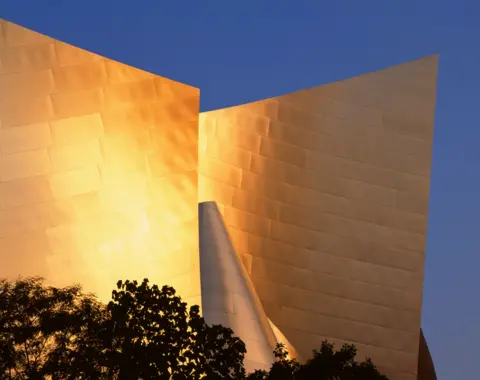
The Walt Disney Concert Hall in Los Angeles is another testament to Gehry's innovative spirit; its stainless-steel exterior changes with the light, and the interior is designed to enhance acoustics.

The world will continue to be inspired by Gehry's imagination and his approach to architecture that invites us to see buildings not just as structures, but as art in their own right.