In brief
In March, a 34‑year‑old Canadian visitor to Las Vegas was convicted of animal cruelty after snatching a Chilean flamingo named Peachy from a hotel‑casino enclosure and bringing it into his room. The defendant, intoxicated on over 30 beers, was caught on CCTV carrying the bird by its neck and later testified that he intended the act as a harmless prank. Expert witnesses described feather loss and blood loss suffered by Peachy, who is now more anxious around humans. The case highlights the need for stringent safeguards around wildlife displays in commercial venues and the importance of preventing animal exploitation in the tourism industry.
In March, a Canadian tourist was jailed for taking a flamingo from a Las Vegas hotel’s wildlife enclosure.
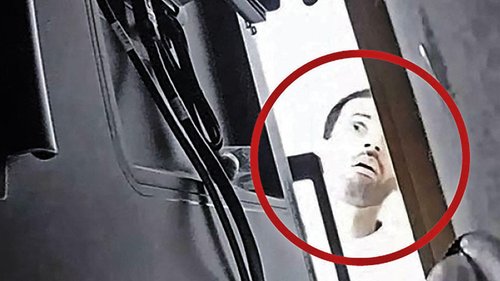
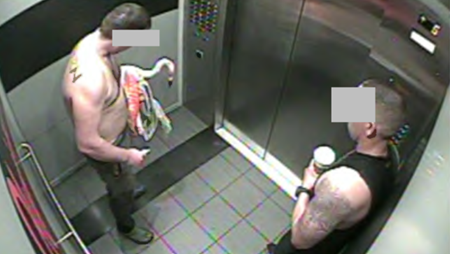
Mitchell Fairbarn, 34, visited the Flamingo Las Vegas Hotel & Casino and, after consuming 30‑40 beers, lifted a Chilean flamingo named Peachy out of its habitat and carried it to his hotel room, as shown on CCTV.
Fairbarn claimed he meant no harm, labeling the act a prank, but animal specialists testified the bird suffered feather tearing and blood loss during the ordeal. Peachy has largely recovered but now shows heightened anxiety around humans.
The conviction on felony and misdemeanor animal abuse charges came after a jury heard from 14 witnesses and examined over a hundred pieces of evidence. Fairbarn faces nearly five years in prison, currently under house arrest while awaiting sentencing in December.
This case underscores the urgent need for stronger protections for wildlife displayed in commercial tourism settings, as well as broader efforts to educate visitors on responsible interactions with animals.