In brief
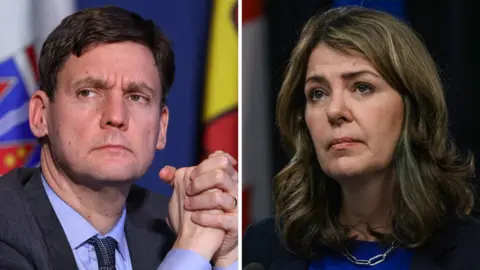
Alberta seeks to construct a pipeline to the Pacific to expand its oil exports to Asia, amid mounting tensions with British Columbia, which firmly opposes the project. Premier Danielle Smith envisions economic independence from the U.S., while Premier David Eby of B.C. dismisses the proposal as politically motivated, raising significant environmental concerns. The debate highlights the ongoing struggle between economic aspirations and climate responsibilities in Canada.
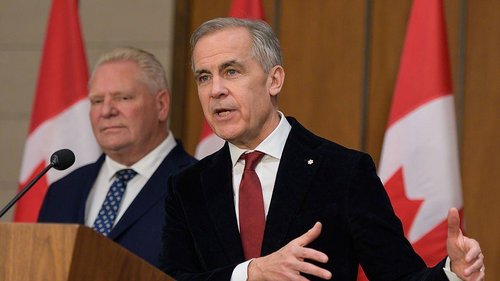
As Canada looks to untangle itself economically from the US, the country’s landlocked oil patch is eying new customers in Asia through a proposed pipeline to the Pacific. The oil-rich province of Alberta has been vocal about its demand for Prime Minister Mark Carney to expedite the construction of the pipeline.
However, building a pipeline has become increasingly complicated due to stringent Canadian laws designed to enhance environmental protections. In the past decade, three pipeline projects have been scrapped due to fierce opposition.
Despite these obstacles, Alberta Premier Danielle Smith remains undeterred, having her government propose a pipeline project that aims to transport oil from the oil sands directly to B.C.'s northern Pacific coast, targeting Asian markets. Smith hopes that private companies will eventually take on the project.
Conversely, British Columbia is adamantly opposed to the plan. Premier David Eby has dismissed the proposal as unrealistic and detrimental to efforts to boost liquefied natural gas (LNG) exports. As tensions escalate, the rivalry between these two provinces underscores a critical period for Canada as it attempts to reduce its economic dependency on the US amid rising protectionist policies.
In a bid for greater economic freedom, Prime Minister Carney aims to position Canada as an energy superpower, but questions remain about whether he can unite the provinces under a shared vision. Many Albertans are pressing for a resolution to internal conflicts that hinder their energy ambitions.
The stakes are high for both provinces: Alberta relies heavily on its oil exports to sustain economic growth, while British Columbia is seeking to protect its environmental interests, which historically form the backbone of its political identity.
As negotiations unfold, prominent voices such as Heather Exner-Pirot from the MacDonald-Laurier Institute assert that resolution remains elusive, suggesting that it may be easier to negotiate with the U.S. over energy matters rather than address the rift with B.C.
Carney's recent announcements lack specific commitments regarding the pipeline, focusing instead on critical mineral projects and LNG. The discrepancy has sparked concerns among Albertans regarding his capacity to deliver on ambitious growth targets without first addressing internal disputes.
The conflict is not simply about economic interests; it raises significant questions about environmental stewardship, indigenous rights, and the future direction of Canadian energy policy. Keith Brooks from Environmental Defence Canada expresses concern over potential backlash from First Nations communities pertaining to the proposed pipeline.
As the debate rages on, the path forward remains fraught with challenges that reflect Canada’s deep-rooted divisions over natural resources, governance, and climate change responsibilities.