In brief
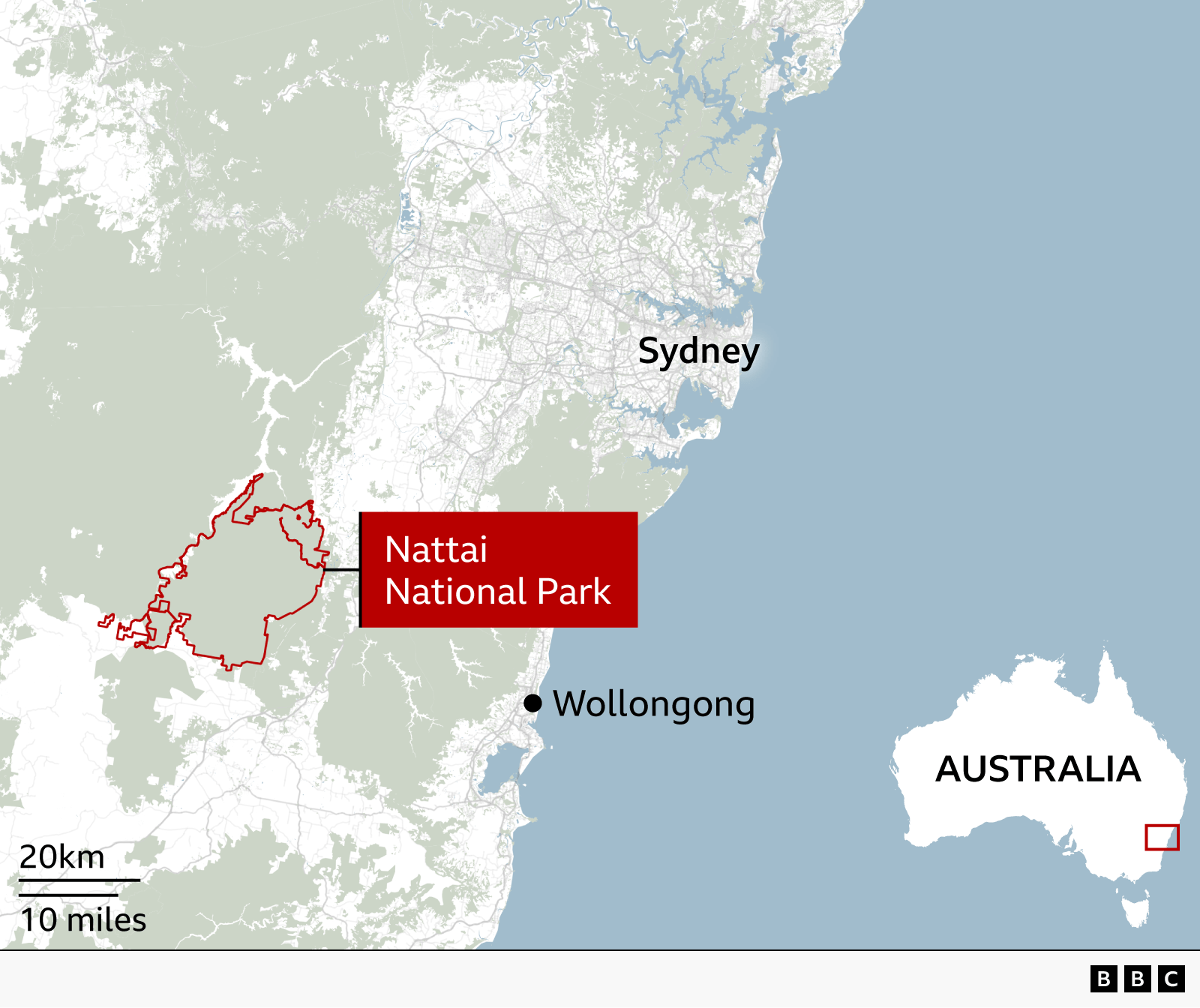
An eight‑day search for 18‑year‑old Lily Hooper in New South Wales’ Southern Highlands ended in tragedy when her body was found in Nattai National Park. An initial false report claimed she had been located with a half‑bottle of water, sparking emotional relief for her family before it was corrected. NSW Premier Chris Minns and Police Commissioner Mal Lanyon issued public apologies, and investigators uncovered that coded language designed to protect sensitive information may have amplified the error. The incident has prompted calls for clearer emergency communication protocols and a review of search‑and‑rescue policies in remote bushland. It underscores the need for resilient systems amid Australia’s increasingly hazardous environmental conditions.
In the early hours of Thursday, officials in New South Wales announced that 18‑year‑old Lily Hooper had been found alive after an eight‑day search in the mist‑filled Southern Highlands. Within half a day, half a bottle of water and a brief pause of hope were officially withdrawn; the grim reality emerged when her body was recovered from Nattai National Park.
State Premier Chris Minns and Police Commissioner Mal Lanyon extended public apologies to the grieving family and acknowledged that a miscommunication during the search operations had caused the premature announcement. The error stemmed from the use of operational codes meant to safeguard sensitive details over radio communications, according to Emergency Services commissioner Mike Wassing.
The incident underscores how components of weather and terrain—such as microclimates that affect hydration and visibility—interact with procedural protocols in wilderness searches. With Australia’s climate shifts intensifying heat events and bushfire risk, precision in life‑saving updates becomes paramount.
In response, NSW Police will conduct a thorough policy review to make the search and rescue paperwork “foolproof” and reduce the chances of future miscommunication. Officials confirm that the post‑mortem will determine the causes of death, while an investigation continues to identify the root of the information error.
Beyond the immediate tragedy, the event serves as a stark reminder for outdoor enthusiasts to remain vigilant about proper preparation and accurate emergency reporting in dynamic, climate‑impacted environments.