In brief
A former Canadian Cold War bunker in Debert, Nova Scotia, is being converted into a high‑end condominium complex by crypto‑magnate Jonathan Baha'i. The 64,000‑square‑foot structure will house 50 elite units with self‑sustaining food systems, biometric access, and on‑site medical care. The development also includes a data centre and hotel‑style rental options, promising local economic growth while raising questions about historic preservation and elite access. As the bunker re‑emerges from its military past, it illustrates a growing trend of repurposing old defence facilities for luxury and disaster‑prepping markets.
From the austere concrete of a 1950s Cold War bunker to a plush, self‑sufficient, luxury condo, Debert, Nova Scotia, has hidden a new chapter of elite preparedness.
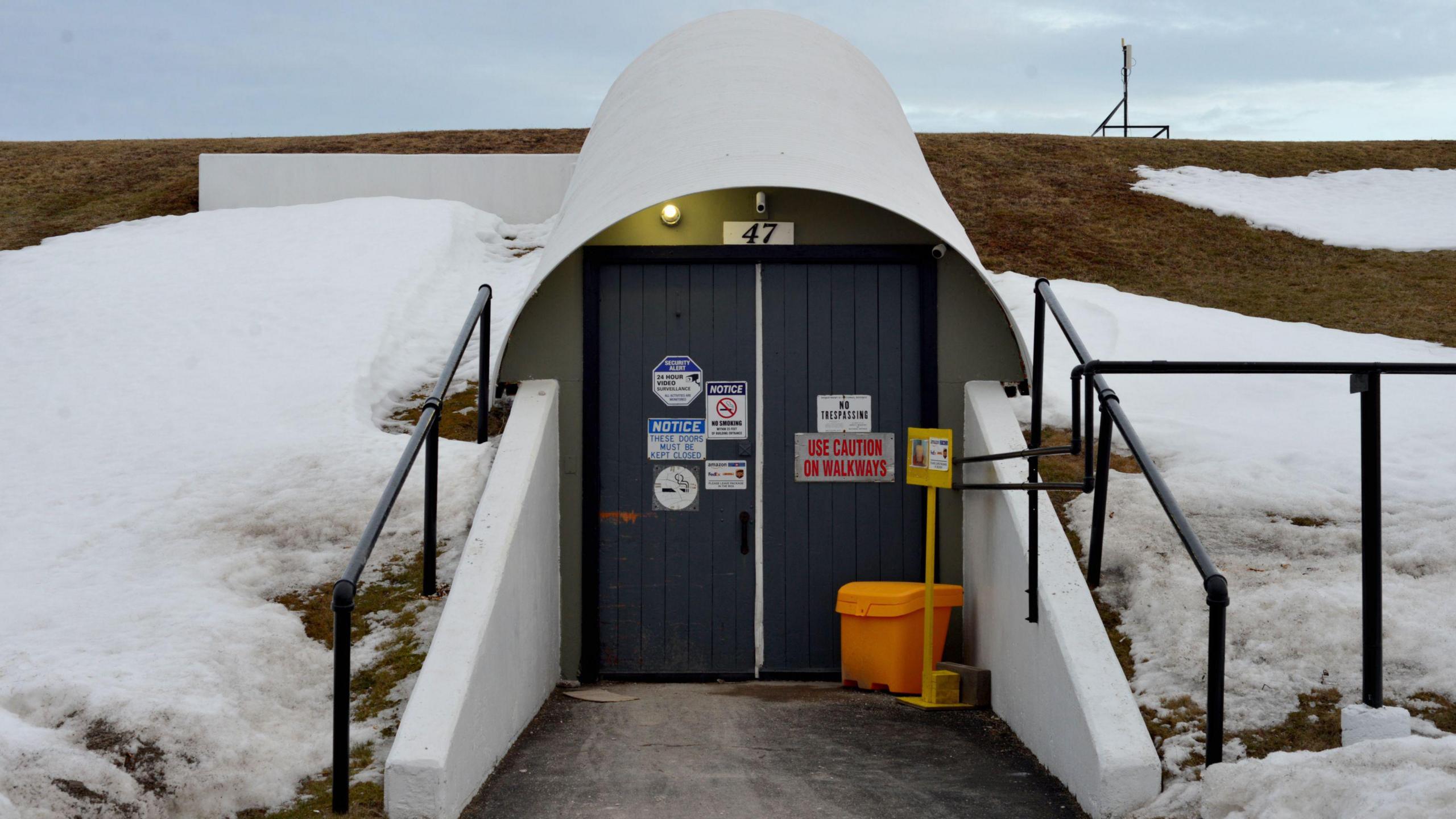
The 64,000‑square‑foot “Diefenbunker” was originally intended to protect 329 personnel for a month in the event of a nuclear strike. Today, founder Jonathan Baha'i is converting it into a 50‑unit, high‑end “doomsday” complex managed by Fallout Complex Inc. The condos feature biometric entry, around‑the‑clock surveillance, on‑site medical facilities, and an adjoining data centre covering about 15,000 square feet.
Baha'i emphasises that the bunker is designed less for apocalypse than for “smart, practical storm preparedness.” He has already opened the facility to local patrons during Hurricane Fiona in 2022 and stresses its off‑grid, self‑sufficient power and food supply systems. The lot sits adjacent to a small regional aerodrome, allowing tenant owners to land private planes on site.
The luxury conversion includes amenities such as a spa, yoga space, and cigar lounge, all illuminated by OLED panels that mimic natural light. The plan also calls for a surface bunker to grow food, further enhancing sustainability credentials. When residents are absent, the properties will be offered as high‑end short‑stay rentals, with profits shared among owners.
The project has sold 11 units already, with an estimated completion slated for early next year. Yet the venture has sparked local debate over historic legacy. Annette Sharpe, secretary of the Debert Military Museum, objects that the bunker—a tangible piece of Cold War history—is now private property and repurposed for luxury real estate. In contrast, Mayor Blair lauds the adjacent “true‑unique” opportunity to bring new tourism and economic activity to a town that suffered a drastic population decline after the base closed.
The broader context shows similar transformations: former military sites in the United States are being turned into gated survivalist communities, and Canada’s own abandoned bunkers have been closed, flooded, or repurposed. The Canadian bunker boom reflects a growing $500 million disaster‑prepping industry, with some experts estimating between 20–70 million people in North America actively preparing for risk.
For Debert, the shabby concrete corridor of the Cold War now promises a starkly different future—one where the legacy of defence becomes a luxury commodity, possibly setting a precedent for how historic sites might be repurposed in the coming climate‑impact era.