In brief
In a significant push against the current European energy strategy, American investor Stephen P. Lynch aims to revive the Nord Stream 2 pipeline, promoting cheap Russian gas despite skepticism from German officials. This proposal emerges as tensions escalate over Ukraine, raising concerns about Europe's reliance on Russian energy.
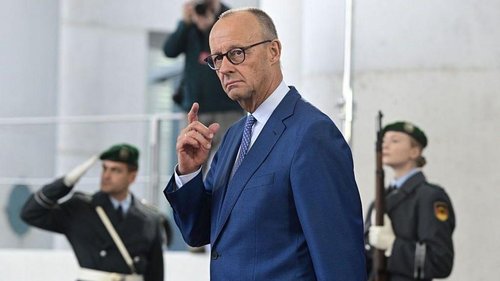
Amid the ongoing turmoil of the Russia-Ukraine conflict, the energy landscape in Europe finds itself at a crossroads. An intriguing proposal from American investor Stephen P. Lynch surfaced recently, where he pitched the idea of acquiring the Nord Stream 2 pipeline, an undersea conduit for Russian gas that has been mired in controversy since its inception. Lynch hopes to sway German economic authorities into once again embracing Russian energy as both a cost-effective and strategic resource.Despite the historical apprehensions surrounding this pipeline due to significant political fallout since Moscow's invasion of Ukraine in 2022, Lynch remains optimistic. He recalls a May 6 meeting in Berlin where German officials voiced their skepticism, questioning how he planned to reinstate Russian gas flow through a pipeline that had undergone partial sabotage. Lynch retorted that it wasn’t his role to alleviate their hesitations, hinting at a belief that the lure of affordable energy would eventually win them over.As geopolitical dynamics shift, with former President Trump re-engaging with Russian leader Vladimir Putin, the stakes for Europe’s energy independence grow. Recent months have witnessed European leaders striving to completely break from reliance on Russian gas, deeply aware of the leverage this dependency afforded the Kremlin in past years. Gunnery against the Nord Stream 2 pipeline remains firm, with Germany's new chancellor, Friedrich Merz, reaffirming his opposition to any potential revival of this energy channel during an upcoming White House meeting with President Trump.President Biden previously branded the Nord Stream 2 project as nonviable should Russia invade Ukraine, and subsequent sanctions reflected a concerted effort to stave off any resurgence of Russian gas into Europe. The arrival of the conflict heightened a collective awakening among both governments and business sectors, leading to significant reductions in Russian gas imports. Yet, the balancing act between ensuring energy security and sustaining momentum against Moscow poses challenging dilemmas for European leaders in these uncertain times.