In brief
The recent jewelry theft at the Louvre in Paris has prompted museums globally to reevaluate their security protocols. As officials navigate the balance between visitor enjoyment and safety measures, many are wary that increased security might deter the very public they aim to attract. With varying experiences and strategies in place, institutions grapple with how to secure priceless collections while preserving the welcoming nature of museums.
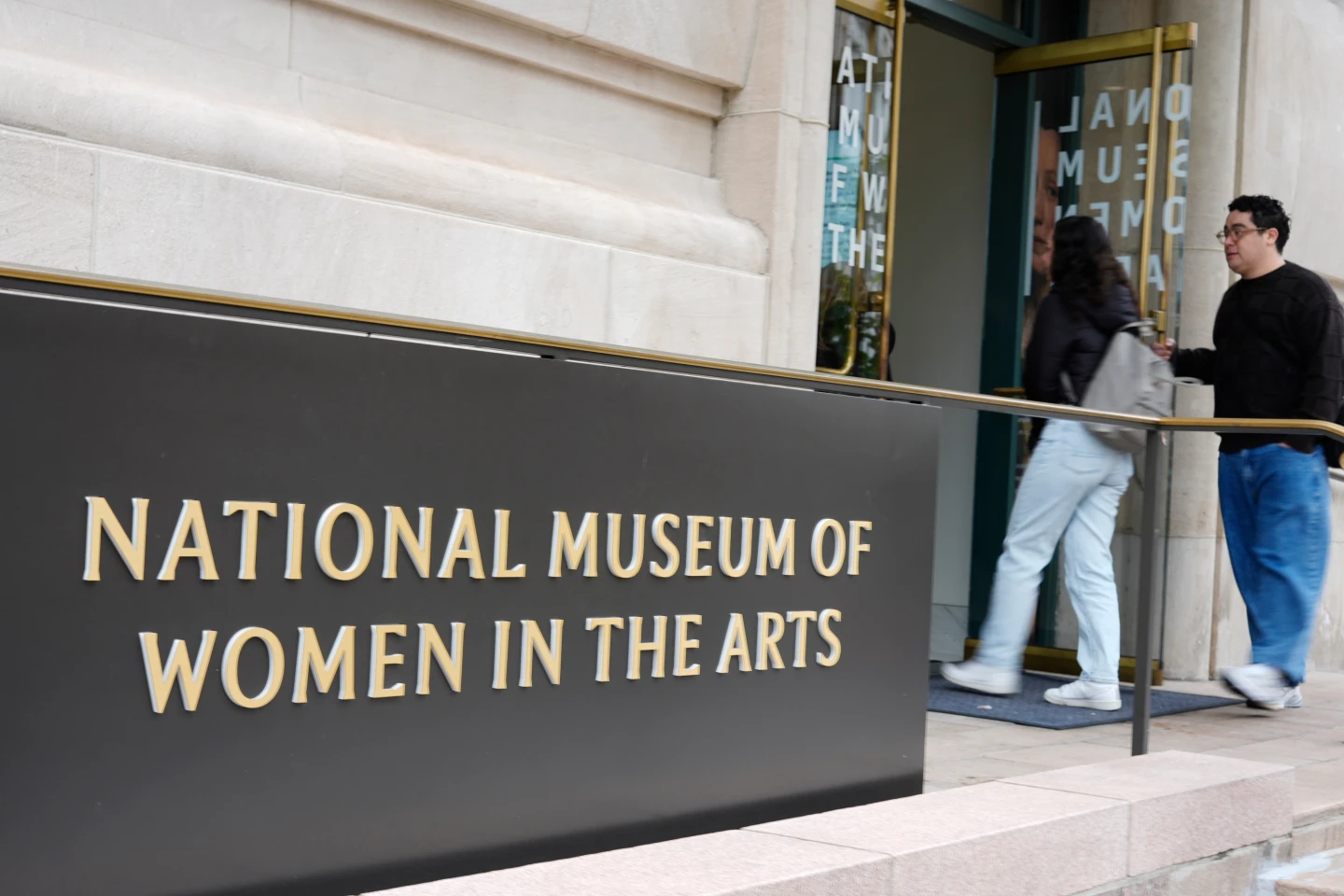
The day after the stunning jewelry heist at the Louvre in Paris, officials from museums around the world began to plan how to enhance security. Doug Beaver, a security specialist at the National Museum of Women in the Arts, shared that conversations with nearby institutions like the Smithsonian and National Gallery of Art focused on formulating strategies moving forward.
Amid these discussions, museum professionals acknowledged a dilemma: while security is paramount, the very essence of museums lies in engaging the public with art. Beaver noted, 'The biggest thing in museums is the visitor experience. We want visitors to come back. We don’t want them to feel as though they’re in a fortress.'
The Louvre’s leadership has faced criticism following the heist, with museum director Laurence des Cars stating it was a 'terrible failure' of security. This sentiment echoes across the sector, as museums worldwide assess their own vulnerabilities. 'Could that happen here?' is the question on many minds, leading to letters of support for the Louvre from 57 museums emphasizing the need for openness and accessibility.
However, Paris Police Chief Patrice Faure revealed that aging security systems had left the museum exposed. Experts such as François Chatillon caution against knee-jerk reactions, arguing for thoughtful strategies that do not compromise the aesthetic integrity of history-laden structures.
As museums adapt, they must also contend with shifting priorities. Nicholas O’Donnell, an artist law expert, mentioned that many institutions have focused on threats to the art itself rather than external security breaches. Louvre guards prioritized protecting visitors before identifying thieves dressed in construction garb, reflecting an evolving security landscape.
As Beaver predicts new measures will be rolled out post-heist, he stresses the importance of managing access for construction teams and adopting a balanced approach between security and accessibility. 'Our goal isn’t to eliminate risk; it’s to manage it intelligently.'
With public engagement at stake, museum curators and security officials must remain vigilant while ensuring their venues continue to be inviting and wondrous realms of creativity and culture. Patrick Bringley, a former Met security guard, emphasizes that art must be accessible, saying, 'When people break that public trust, the Louvre is going to have to step up their procedures, and it will just become a little less magical.' In this balancing act of preservation and invitation, the future of museums will be closely watched as they adapt to new realities.