In brief
In a recent statement, the Panama Canal Authority denied claims from the US government that a new agreement allows for free passage of US government vessels through the vital waterway. Amid ongoing tension regarding US influence and China's presence, Panama asserts its sovereignty over canal operations.
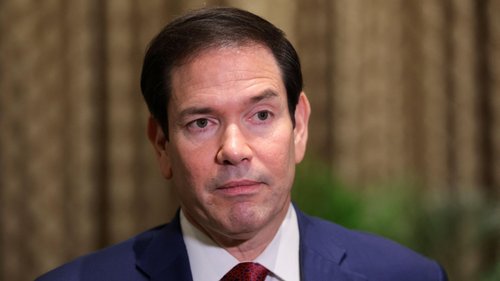
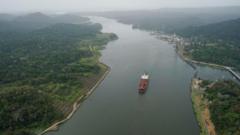
In a spirited response to claims made by the United States, the Panama Canal Authority (ACP) has clarified that there have been no recent changes allowing US government vessels to navigate the canal without incurring fees. This denial comes after the US State Department announced that American vessels would now transit the canal free of charge, supposedly saving the US millions annually.Panama's President, José Raúl Mulino, firmly stated that the canal, measuring 51 miles (82 km) in length, remains under Panamanian control – a sentiment he echoed during a diplomatic engagement with US Secretary of State Marco Rubio. Rubio's visit aimed to address what he referred to as "Chinese influence" over the canal, complicating the already delicate relationship between Panama and the US. Despite Rubio's requests for Panama to implement immediate changes, the ACP maintained its authority to set transit fees, emphasizing that no adjustments have been made. The authority has, however, indicated a willingness to collaborate with the US Navy for prioritizing the transit of US vessels, expressing a commitment to open dialogue.Historically, the canal has been a cornerstone of global trade, with figures showing that in 2024, 52% of its traffic was tied to US ports. The canal's strategic importance was underscored in the early 20th century when the US undertook its construction, but the control was returned to Panama in 1977 following a treaty signed by President Jimmy Carter.Former President Donald Trump had previously voiced aspirations to reclaim control over the canal, citing concerns over Chinese operations, which Panama's President categorically rejected. However, Trump reiterated his discontent, labeling the original treaty a mistake. As tensions continue to mount, Panama emphasizes its sovereignty over the canal and disassociates from any perceived external influences, including the Belt and Road Initiative spearheaded by China. The ACP aims to bolster its ties with the US, but insists its authority in determining tolls and fees must remain intact.