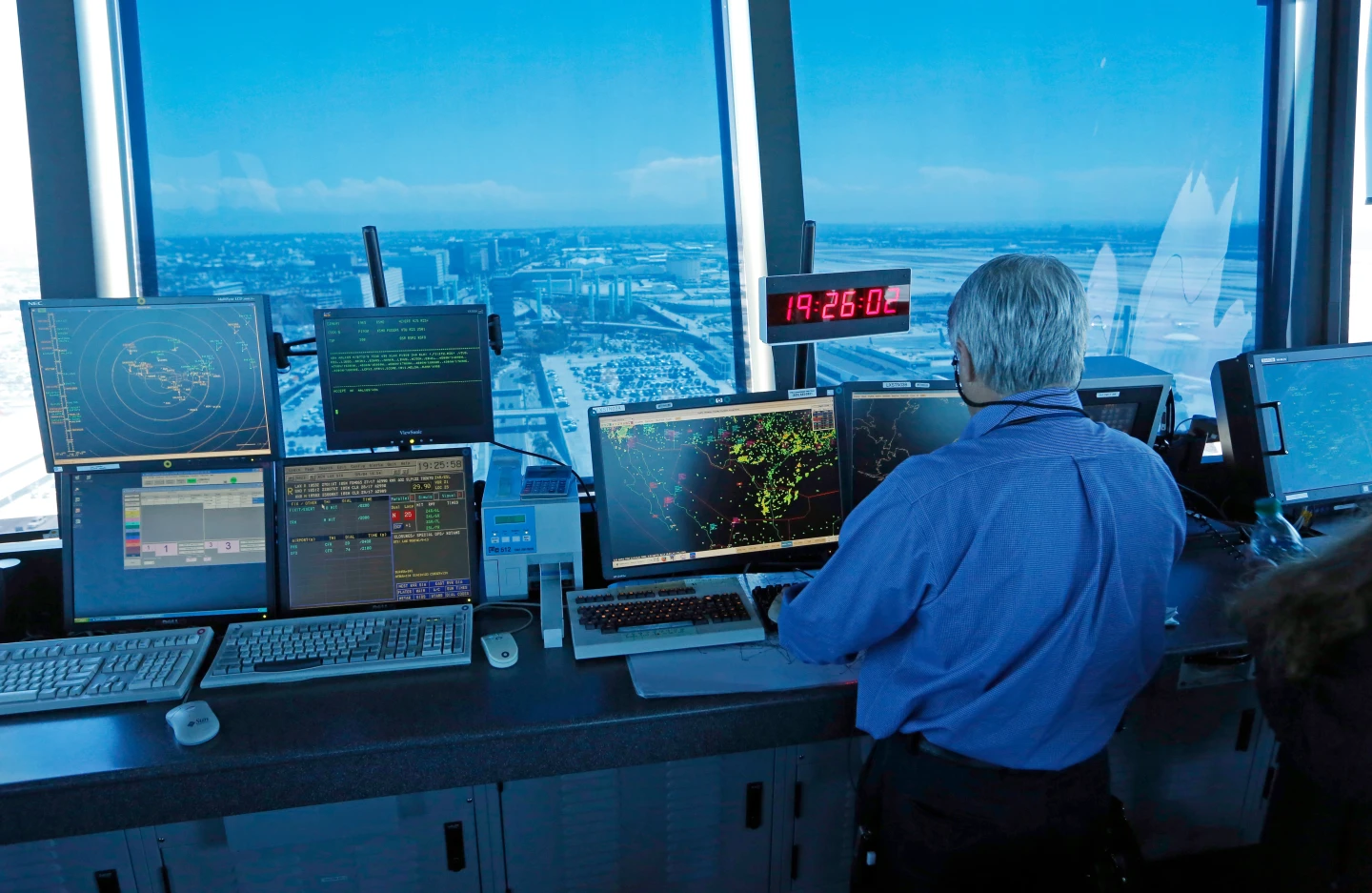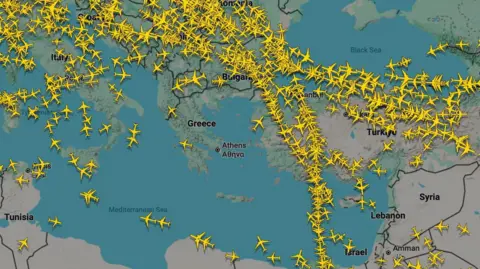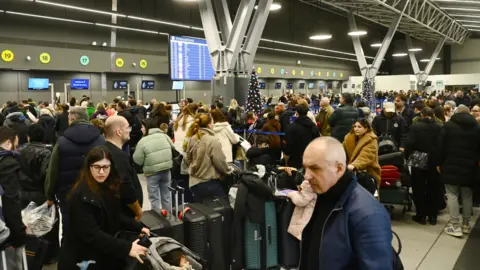
This weekend, hundreds of flights are being canceled across the United States as airlines respond to the ongoing government shutdown, which has severely strained the aviation industry. Airlines began reducing air services due to staff shortages caused by air traffic controllers going without paychecks for nearly a month.
Initial reports indicate the first day of the Federal Aviation Administration's flight reductions saw over 1,000 cancellations, with significant impacts at over 40 targeted airports. With the potential cuts projected to increase up to 10% of flights in the coming week, passengers are becoming increasingly anxious, especially with the Thanksgiving holiday approaching.
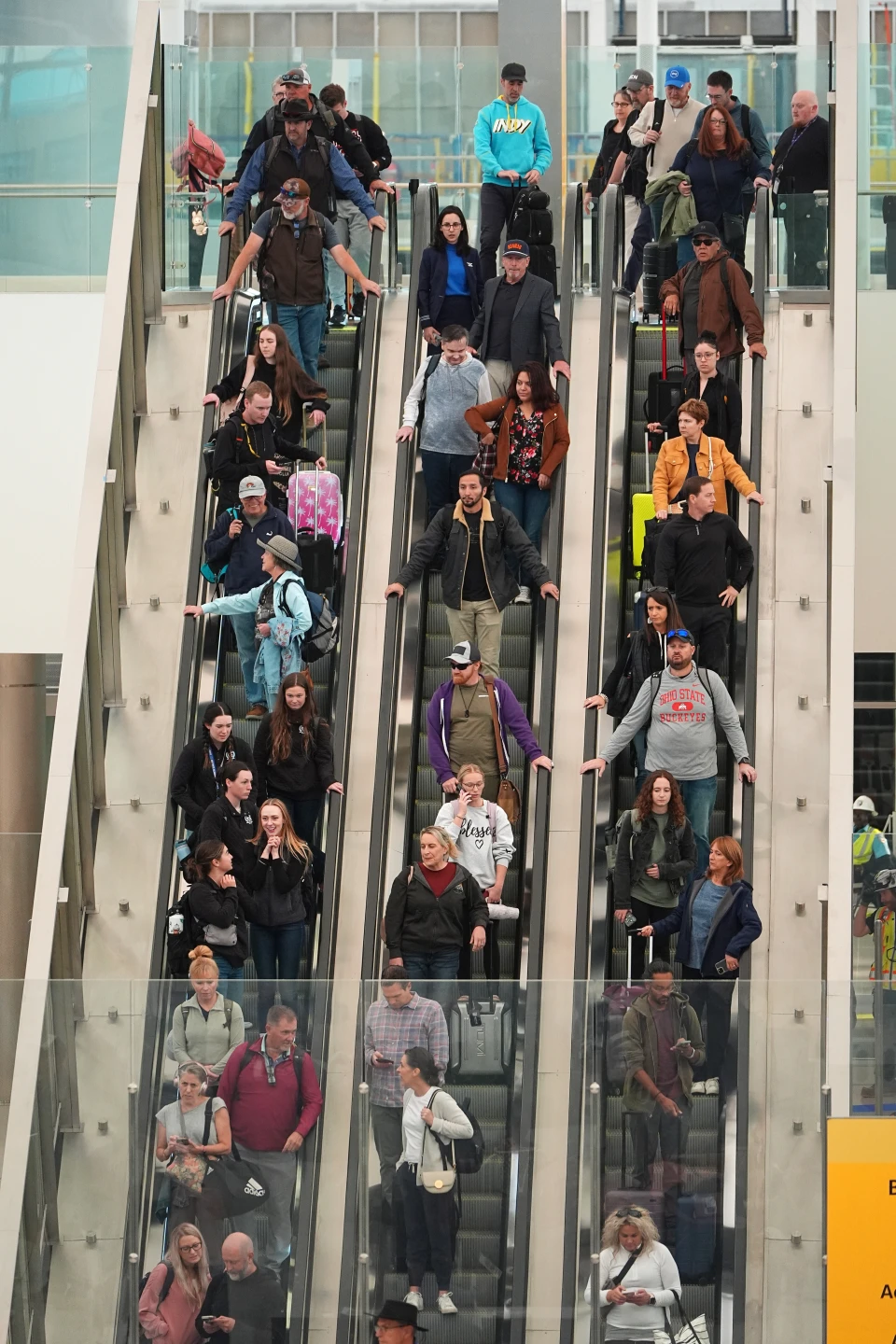
Many travelers experienced minimal direct disruption on Friday, with most flights on schedule. However, concerns ripple through cities and businesses that rely heavily on tourism, and major disruptions are expected to escalate, affecting both air travel and other sectors.
Analysts warn that the interruption in air services can lead to increased shipping costs, as nearly half of all U.S. air freight is transported in passenger aircraft. Higher prices on essential goods in stores could become a reality if the shutdown continues.
Transportation Secretary Sean Duffy has alerted that continued government impasse may necessitate further flight cuts. With passengers now exploring alternative transport and rental options, the potential economic fallout looms large.
“This shutdown is going to impact everything from cargo aircraft to people getting to business meetings to tourists being able to travel,” said Greg Raiff, CEO of Elevate Aviation Group, illustrating the shutdown's cascading impact on the economy.
As this situation unfolds, the aviation community and travelers alike are left hoping for resolution before causing further chaos in the air travel and tourism sectors.