In brief
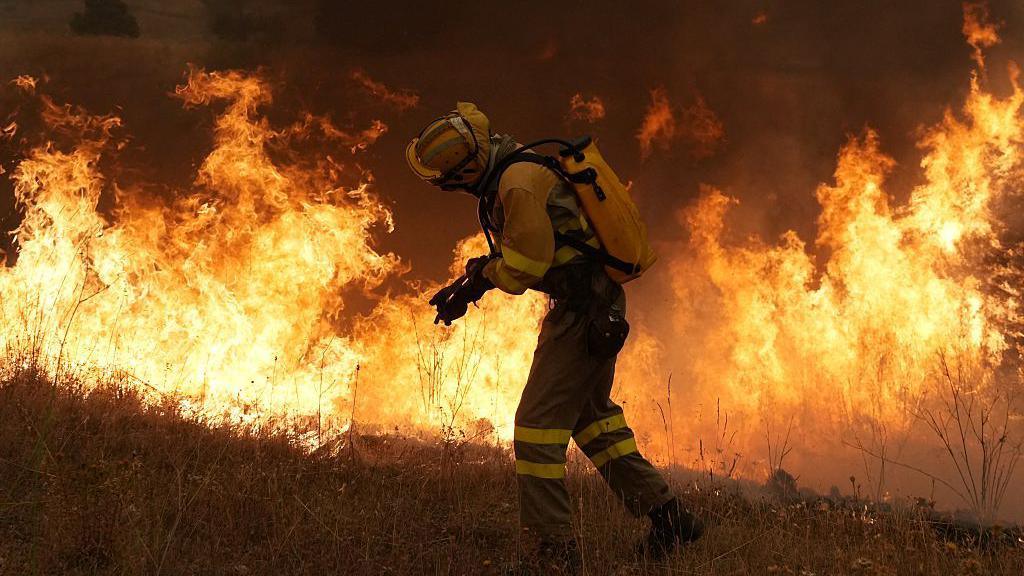
In the face of increasingly severe bushfires, Australia is turning to both modern technology—satellite imagery, drones and AI—and centuries of Indigenous fire knowledge to predict and manage wildfires. Professor Marta Yebra leads a research centre that maps fuel moisture from space, then validates it against Indigenous indicators such as plant colour and scent. The duo of high‑tech tools and land stewardship provides early detection, safer prescribed burns and a robust global model that other nations are eyeing. As climate change intensifies dry conditions, cross‑border collaboration between Australian and European fire services is rising, with experts urging that knowledge exchange be integrated into emergency planning and mitigation.
As wildfires across Europe and Australia devastate landscapes, Professor Marta Yebra of Canberra’s Bushfire Research Centre is pioneering a new way to spot and control blazes. By marrying satellite‑derived data on fuel moisture with Indigenous fire‑management wisdom, her team can identify high‑risk areas before they ignite.
Yebra’s research uses high‑resolution imagery from geostationary satellites to map where dry leaves and bark are soaking up little moisture. The data alone, however, is only part of the picture. Indigenous ranger Adrian Webster, who grew up in New South Wales, interprets the satellites and corroborates them with on‑site cues such as plant colour, scent, and canopy density. "The data was useless without translation," he says. "Recognising the land through an Indigenous lens makes it a map that leads straight into a place ready to burn.”
This partnership has validated that the satellite fuel‑moisture maps truly indicate the most dangerous burn‑zones. It also shows that continuous, low‑intensity ‘cool' fires—an Indigenous practice used for millennia—prevent the buildup of ignition‑fuel across the landscape, reducing the size and intensity of future bushfires.
Australia’s technological edge is growing with drones that give firefighters real‑time views of fire fronts, help deliver heavy equipment, and even ignite controlled burns before a larger wildfire can spread. The country’s fire brigades now routinely use prescribed or hazard‑reduction burns to clear vegetation ahead of the wet seasons, a tactic that European countries are beginning to adopt as climate change makes fire seasons longer and hotter.
Regional cooperation is also warming. Australian teams have been dispatched to Canada’s 2023 wildfire season, where backburning—a method used in Australia to pre‑emptively clear fuel—has become standard practice. France recently requested assistance from Australian firefighters, sending crews and aircraft to confront a record‑shattering summer heatwave.
With a predicted super El Niño forecast for this summer, Yebra warns that Australia’s next fire season could be “very bad.” Chief firefighter Jason Heffernan of Victoria agrees, stressing the need for an internationally‑linked network of fire services so that help can be deployed before conditions become unmanageable. As satellite technology, AI and Indigenous knowledge converge, a more resilient, globally informed fight against wildfires is emerging—one that places both science and tradition at its core.