In brief
Tessa Moura Lacerda has spent years battling bureaucracy to have her father's death certificate corrected, revealing brutal realities of Brazil's military dictatorship and the enduring trauma faced by families of victims. The process ignites a national conversation, as more families seek acknowledgment and closure.
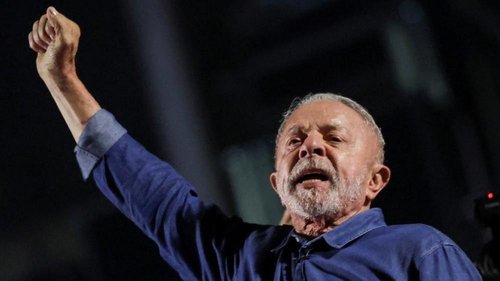
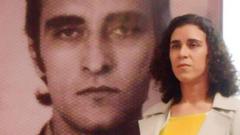
In a gripping testament to personal and national trauma, Tessa Moura Lacerda, a philosophy professor at the University of São Paulo, recalls the long journey she undertook to correct her father’s death certificate. On a rainy August morning in 2019, Tessa, along with her mother, stood outside a government office, holding the long-fought-for document that finally acknowledged her father’s death as "unnatural, violent death caused by the State to a missing person [...] in the dictatorial regime established in 1964.”Her father, Gildo Macedo Lacerda, suffered fatal torture at the regime’s hands in 1973 at the age of 24. His death was one of at least 434 documented cases during Brazil's military dictatorship, where dissent was met with brutality and silence from the state. Alongside her mother, Tessa was left to traverse the trauma of her father's disappearance, arrested on October 22, 1973, the day he and her mother were detained.After her mother was tortured and released, Gildo went missing, believed to have died shortly thereafter at a military facility. While former inmates corroborated his detention, the government's fabricated narrative claimed he was killed in a street altercation. Gildo's original death certificate left his cause of death blank, and his remains are thought to lie in a mass grave.Growing up without a father, Tessa harbored hopes that he might still be alive, a fantasy that only deepened her trauma. The absence of closure instilled long-lasting fears and highlighted the psychological scars imprinted by state violence. Until she turned 18, her own birth certificate didn’t recognize Gildo as her father, further complicating the family's quest for acknowledgment.Now, a significant shift is taking place in Brazil. Earlier this year, the government announced plans to rectify death certificates for all recognized victims of the dictatorship, expanding upon the previous efforts initiated in the 1990s. With a renewed push under President Luiz Inácio Lula da Silva, the legal framework strives to bring closure to families like Tessa’s. “It’s part of my duty fulfilled,” she affirmed, emphasizing that acknowledging her father's death serves the greater purpose of honoring all victims of state violence.The emergence of a film entitled I'm Still Here has sparked renewed discussions about Brazil’s violent history, resonating in a divided political climate. The film's narrative follows the true story of Eunice, a woman who spent 25 years waiting for her husband’s death certificate after he was tortured and killed. Eunice's experiences mirror those of countless other families who live with the legacies of loss and an unaddressed past.Brazilians like Marta Costta, whose aunt was also a victim, resonate with these stories, as they continue to fight for recognition and justice in the wake of unresolved atrocities. These families are left grappling with the broader societal implications of their history, knowing that without collective acknowledgment, the pain of the past risks repetition.While Tessa and others are cautiously optimistic about these recent developments, they recognize the ongoing struggle against an amnesty law shielding military offenders from accountability. The emotional scars run deep, and Tessa vows, “I will not stop fighting until the end of my days. I will bury my father.” The quest for recognition and justice continues, embedded within the fabric of Brazil's challenging journey toward healing.