In brief
A Boeing 767‑300 owned by Amazon Prime Air crashed at Miami International Airport after the pilot repeatedly warned the crew of excessive speed. Flight data shows the aircraft approached at 158 knots—near the aircraft’s permissible landing speed—while automated warnings of sink rate and low terrain rang. The incident raises questions about Amazon’s fast‑track logistics strategy and its impact on fuel consumption and emissions. Investigators will examine pilot communication, flap deployment timing, and broader regulatory oversight to ensure safer, greener cargo operations.
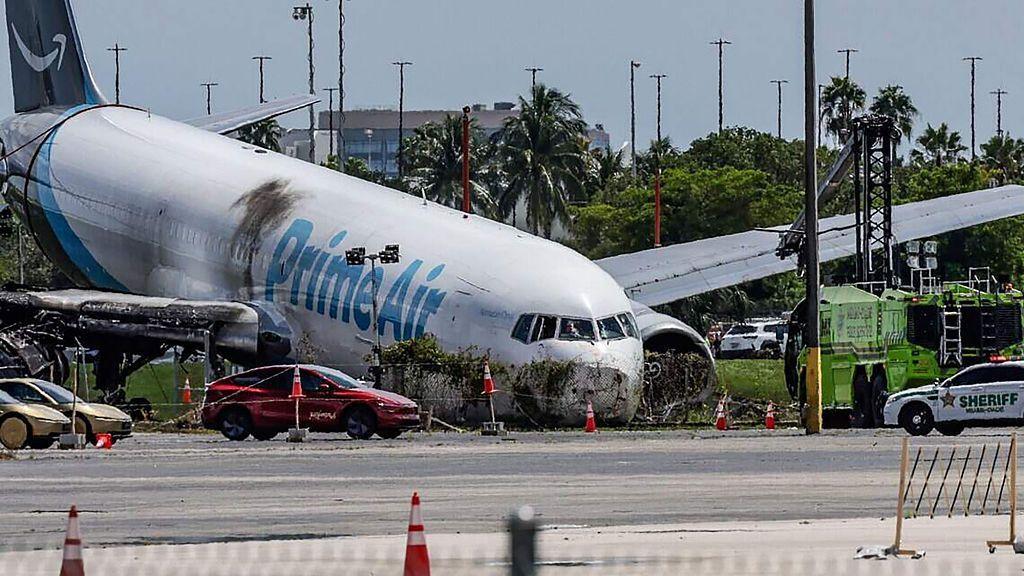
A pilot aboard an Amazon Prime Air Boeing 767‑300 that crashed on 8 September 2026 at Miami International Airport warned the crew that the aircraft was traveling at an excessive speed before it overshot the runway and collided with ground vehicles, new NTSB data reveals.
The National Transportation Safety Board’s flight‑data record showed the plane’s approach speed reached 158 knots (about 292 km/h), close to the aircraft’s maximum safe entry speed and far above the threshold advised for the runway’s length and surface conditions.
Authors of the record report that the pilot repeated warnings of “excessive speed” over the cockpit’s intercom, but the other crew’s responses were inconsistent. The aircraft’s automated alarms—including “sink rate” and “too‑low terrain” alerts—rang as the plane settled toward the ground.
These findings suggest the cargo operation’s acceleration and deceleration patterns may conflict with the company’s carbon‑reduction pledge, as fast, high‑energy aircraft operations increase fuel burn and emissions.
While the investigation will examine the cause of the speeding, it will also scrutinize Amazon’s growing cargo fleet, which now outpaces shifting consumer demand for faster, more sustainable deliveries, and the regulatory framework that governs such load‑handling practices.
The crash killed five people involved in the cleanup crew on the ground and injured five others, underscoring the broader human and environmental costs of rapid growth in commercial air logistics.
As Amazon harnesses air freight to support rapid e‑commerce, stakeholders call for tighter oversight of speed limits, flap deployment protocols, and pilot training—key to aligning safety with their green logistics strategy.