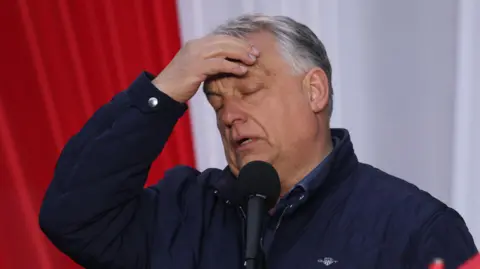
In the context of Hungary's upcoming parliamentary elections, serious accusations against Viktor Orban's Fidesz government have surfaced, particularly revolving around the coercion and intimidation of voters. The revelations come from a documentary titled The Price of the Vote, which premiered on Thursday, and presents unsettling evidence gathered over a six-month investigation by independent filmmakers.
The documentary features testimonies from voters, mayors, ex-election officials, and even police officers, all alleging that individuals in Hungary are being offered significant sums of money and in some instances, illegal drugs to influence their voting choices in favor of Fidesz.
Targeting 53 of Hungary's 106 constituencies and potentially affecting up to 600,000 voters, the film suggests that this manipulation could represent about 10% of the expected turnout of six million voters.
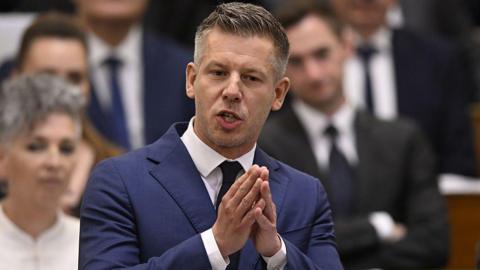
This troubling narrative emerges just ahead of the elections, amid polling data indicating that Fidesz is trailing Peter Magyar's opposition party, Tisza. As accusations of systematic coercion grow, the environment for the elections is increasingly overshadowed by worries about transparency and fairness.
Particularly in rural areas, which have seen Fidesz establish a stronghold since 2010, residents report a culture of dependency where local authorities allegedly tie essential services like jobs, firewood, and even medical care to casting a vote for the ruling party.
The filmmakers conclude that orchestrated practices by senior officials are responsible for the alleged intimidation. One police officer mentioned in the film expressed his frustration with the corruption within the system, saying, I didn't become a police officer to serve a corrupt system. He condemned the obscured political influence that compromises the justice system.
As the documentary circulates, government officials have been mostly silent, with the only response coming from Minister Tibor Navracsics, who suggested that if wrongdoing was happening, it should be investigated by the appropriate authorities.
In addition, the film illustrates that communities are not only facing financial manipulation but are also suffering from drug-related issues as some political actors purportedly use addiction to acquire votes. Overall, the exposure of these alleged corrupt practices is significant as Hungary stands at a pivotal electoral moment, grappling with the implications of these serious allegations that threaten to mar its democratic processes.