In brief
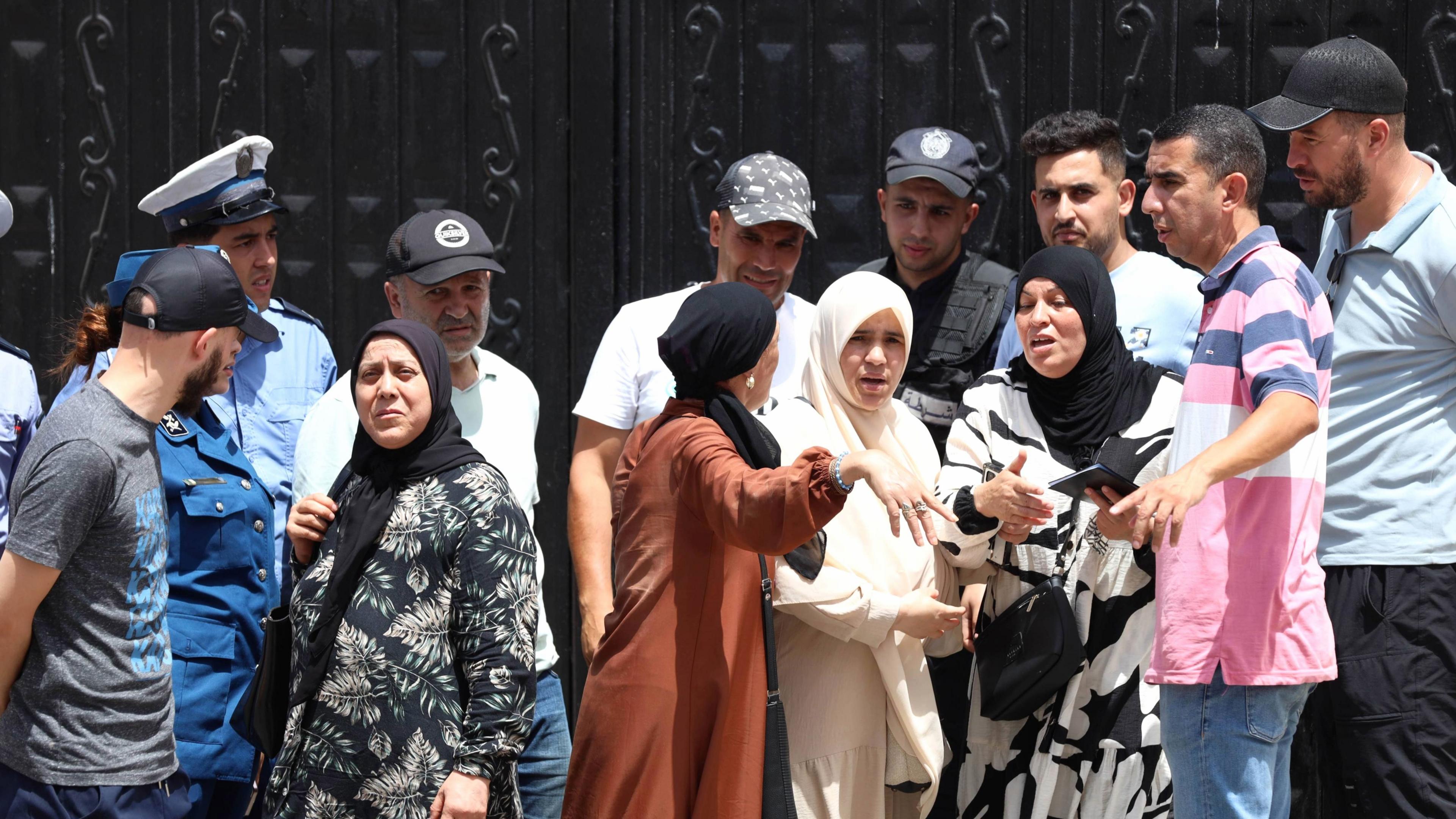
In Mohammadia, a suburb of Algiers, a faulty air‑conditioning unit ignited a fire that killed 11 people, many of them children, and left 19 injured. The blaze, sparked during an intense heatwave that also fueled wildfires across northern Algeria, prompted President Abdelmajid Tebboune to mourn the victims and Prime Minister Sifi Ghrieb to visit survivors in hospitals. Investigations point to an electrical spark from a unit running continuously, underscoring the risks of inadequate maintenance in hot climates. The incident has ignited public demand for transparent investigations, nationwide fire‑safety audits, and stronger regulations on cooling equipment, especially in vulnerable institutions. It also highlights the broader climate‑driven pressures on infrastructure and the urgent need for resilient, energy‑efficient building practices.
In Mohammadia, a suburb of Algiers, a faulty air‑conditioning unit ignited a fire that killed 11 people, many of them children, and injured 19 others.
The blaze, sparked during an intense heatwave that also fueled wildfires across northern Algeria, began in the early hours of Thursday. A unit that had been running continuously to beat the summer heat malfunctioned, producing an electric spark that set the building on fire.
Police investigators say the accident was not due to neglect but to a defective appliance that failed to meet safety standards. The fire burned for at least three hours before firefighters could bring it under control.
Algerian President Abdelmajid Tebboune expressed his sorrow, noting that children were among those killed and that five children with reduced mobility had been rescued. Prime Minister Sifi Ghrieb visited survivors in hospitals where they are being treated for burns, smoke inhalation and shock.
The incident has prompted a nationwide outcry. Progressive parties and media outlets demand transparent investigations and legal accountability for any negligence. Calls are growing for comprehensive fire‑safety audits across orphanages, care homes, hospitals, and schools.
In the backdrop, Algeria is battling a severe summer heatwave, with firefighters also fighting wildfires in the north. The tragedy underscores the heightened risks that climate‑driven heat brings to buildings, especially those with inadequate maintenance and outdated cooling systems.
Experts now argue that the incident could have been prevented with stricter adherence to fire‑safety regulations, routine equipment checks, and investment in energy‑efficient, climate‑resilient designs. The event serves as a grim reminder that vulnerable populations—such as the children of this orphanage—are disproportionately affected by infrastructure failures amid worsening global temperatures.