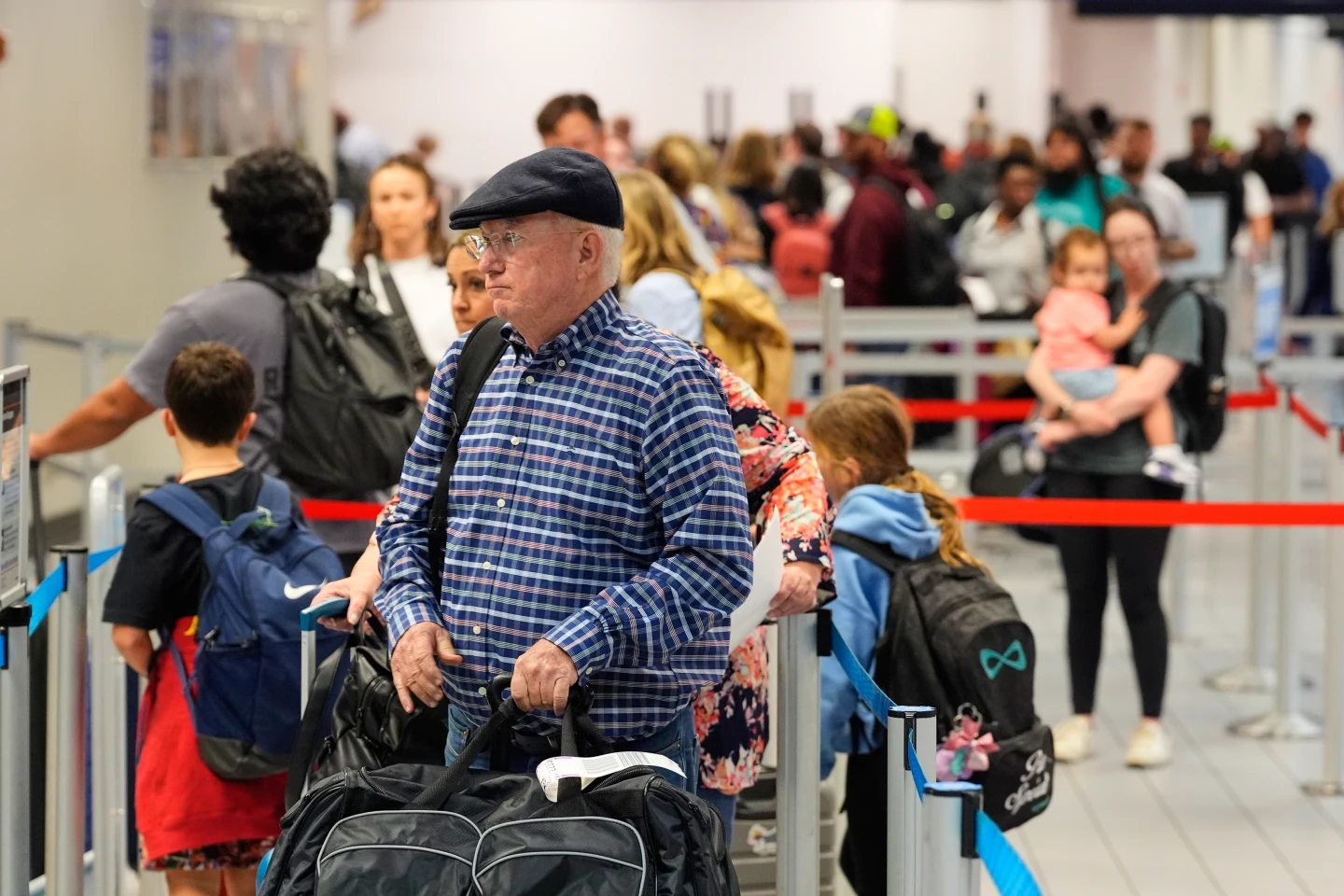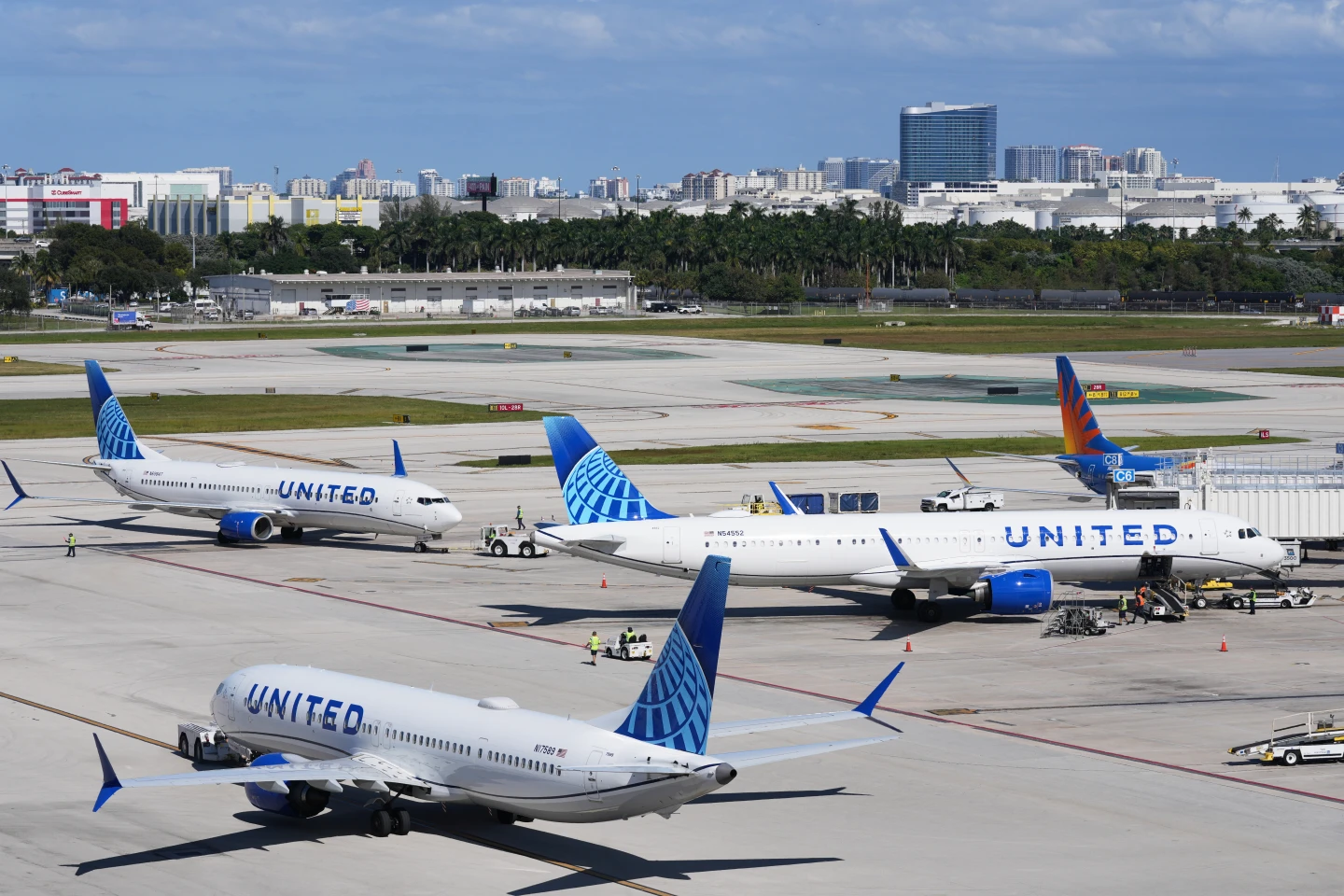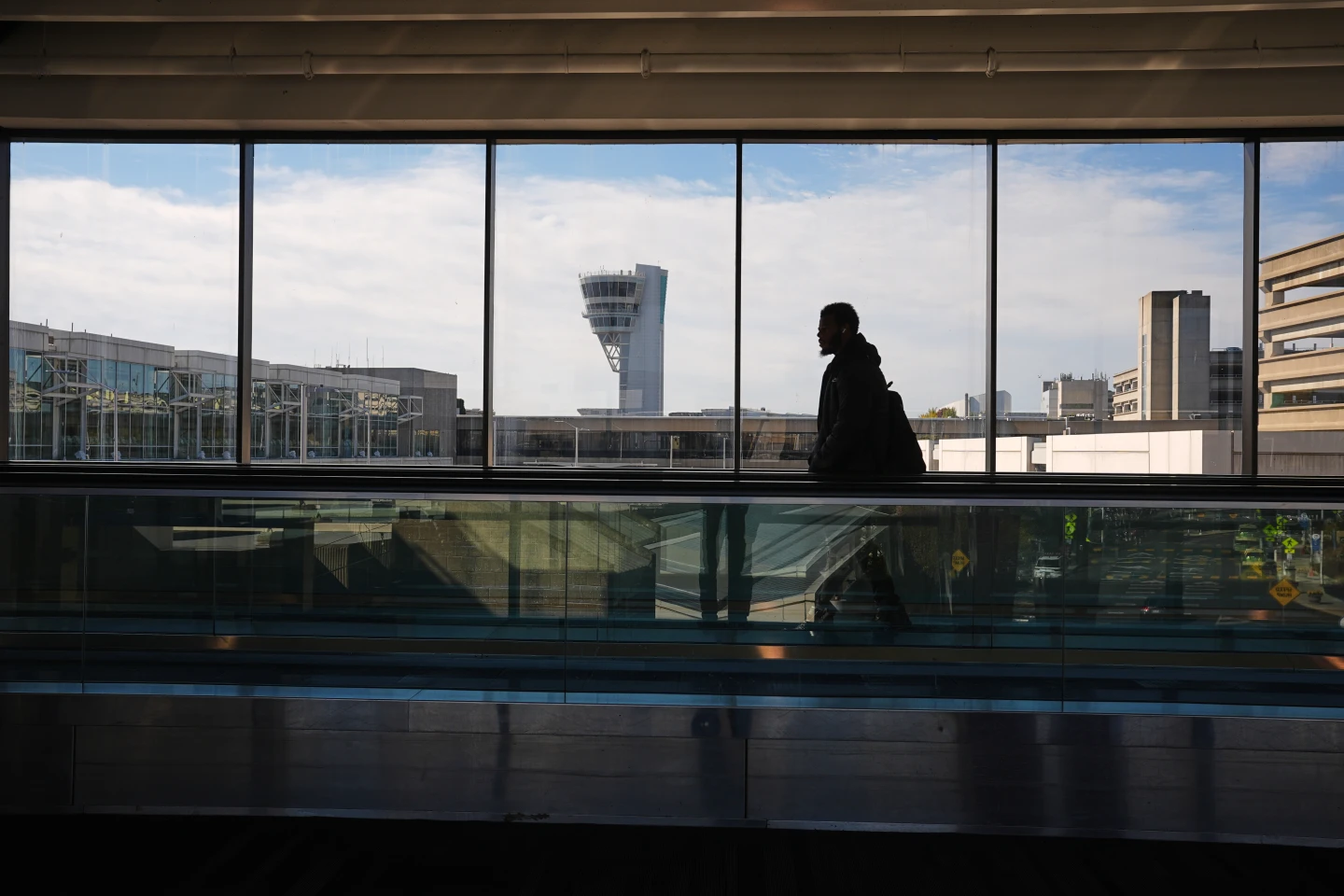
As the U.S. government shutdown continues into its second month, air travelers at some of the nation’s busiest airports are bracing for devastating flight reductions. Beginning Friday, the Federal Aviation Administration (FAA) will implement a 10% cut to flights across 40 identified high-volume markets, primarily motivated by extensive staffing shortages that have swept the air traffic control system.
FAA administrator Bryan Bedford noted the necessity of the cuts, stating, We are in new territory in terms of government shutdowns, emphasizing the unprecedented challenges faced by air traffic controllers during this period. The shutdown has led to air traffic controllers working unpaid and in mandatory overtime, raising alarms about not only their financial stability but also operational safety in the airspace.
Estimations from aviation analytics firm Cirium suggest that the flight reductions could result in the cancellation of as many as 1,800 flights and over 268,000 combined seat reductions. Such drastic measures reflect the current systemic strain, as many controllers, unable to afford basic living expenses, are increasingly at risk of abandoning their posts or calling out due to financial stress.
With flights expected to be impacted in major U.S. airports, travelers are urged to check their statuses and understand their rights should their flights be disrupted. Airlines are mandated to offer refunds for canceled flights, irrespective of the ticket's refundable status, although they are not obligated to provide compensation for additional expenses due to delays or cancellations.
Bedford and Transportation Secretary Sean Duffy have refrained from naming specific cities impacted by the reductions until discussions with airline executives are finalized. They acknowledged the pressure mounting on air traffic controllers and the subsequent implications for travel across the United States, with Duffy warning of potential chaos in the skies if the shutdown persists and controllers miss another paycheck.
The travel industry as a whole has called for immediate action from Congress to resolve the shutdown, which has lingered longer than any in U.S. history. U.S. Travel Association President and CEO, Geoff Freeman, criticized the current operational climate, stating, The shutdown is putting unnecessary strain on the system and forcing difficult operational decisions that disrupt travel and damage confidence in the U.S. air travel experience.