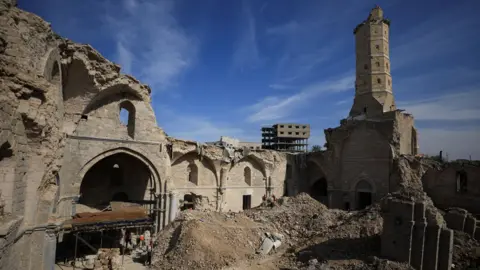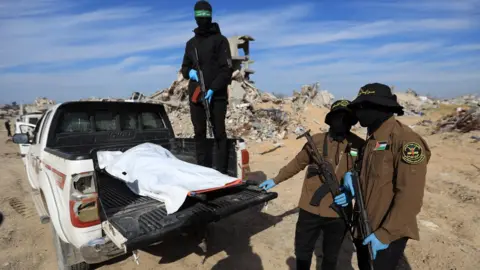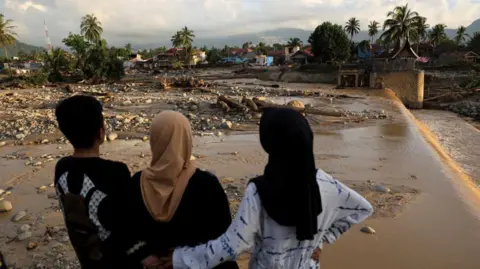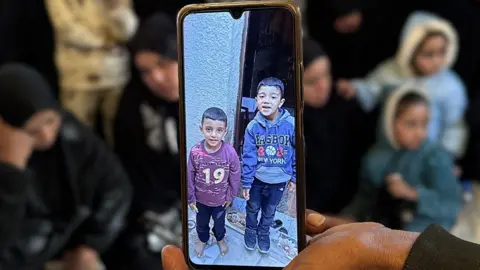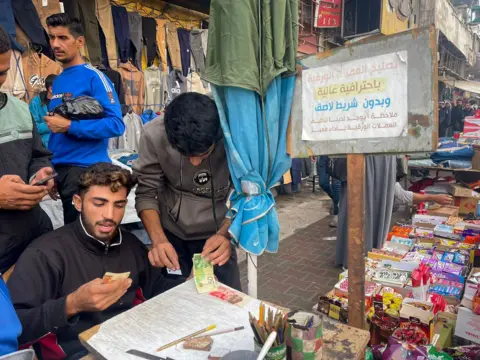
The journey home for many Gazans, long displaced due to the ongoing conflict, has finally commenced. Although geographically the Gaza Strip is small, the road ahead for these returning residents is daunting as they confront a landscape in ruins and significant humanitarian issues. After 15 months away, the reality of their home is stark: "We have to re-establish again from the beginning, from zero," states Gazan journalist Ghada el-Kurd, reflecting on the absence of basic services and infrastructure.
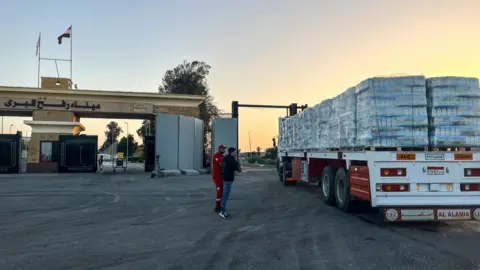
Relief efforts are stepping up, according to Sam Rose of the UN’s Palestinian refugee agency, Unrwa, who reported an increase in aid inflow that provides basic necessities like food, water, and hygiene items. However, the grave humanitarian outlook cannot be overstated—approximately 70% of buildings in Gaza have been either damaged or destroyed since October 2023.
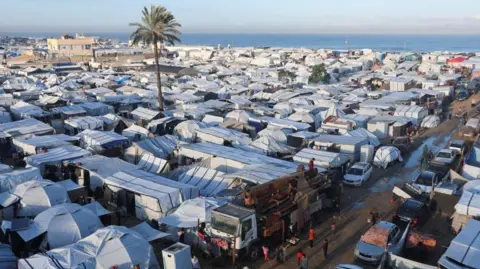
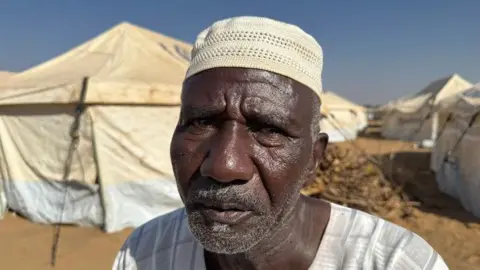
The return brings with it a multitude of challenges, particularly in securing adequate shelter. With about 700,000 people having fled during the initial conflict phases and many others already displaced within Gaza, the need for basic accommodations like tents and temporary housing is urgent. The Gazan government has appealed for 135,000 tents, while the UN has access to 20,000 that had been held up previously. However, these figures fall short of the vast demand as recovery efforts begin.
Community members are already feeling the effects of increased pressure on resources like water and electricity. Locals like resident Asmaa Tayeh note the strain as more families start to inhabit available homes, often leading to overcrowded living conditions and heightened tensions among neighbors.
Despite the overwhelming challenges, many returning families express a sense of hope and relief. "We are overjoyed to return to the north, where we can finally find comfort," shared one resident. However, with towns like Beit Hanoun now unrecognizable and their future uncertain, the journey to recovery remains fraught with difficulties.
International reactions to the conflict highlight a deepening divide. U.S. remarks suggesting Gazans relocate temporarily to neighboring countries have been met with disapproval, emphasizing the complex humanitarian landscape that must be navigated to foster a sustainable return. Amidst calls for immediate and long-term support, the question remains: can these communities rebuild their future within a land ravaged by years of instability and strife?