In brief
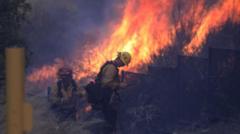
The combination of extreme weather events and prolonged dry spells exacerbated by climate change has led to an uptick in devastating wildfires across Southern California, raising concerns among researchers and residents alike.
The article text: High winds and minimal rain are the primary culprits behind the recent wildfires raging through Southern California, and experts warn that climate change is exacerbating the situation. Studies indicate that global warming is increasing the number of "fire weather" days, which are periods characterized by conditions favorable for fire outbreaks. At present, California is particularly susceptible to wildfires due to insufficient rainfall over the last several months, compounded by a hot summer preceding the autumn season. This time of year typically brings powerful Santa Ana winds, which can reach speeds of 60-70 mph. These strong, dry winds—some of the most severe in the past decade—are further drying out the landscape, creating a precarious situation for fire outbreaks. Crucially, while the onset of these winds tends to ignite fires higher up in the mountains, they have recently spread rapidly into valleys populated with homes and businesses. This raises the risk of ignition from manmade sources. Climate researcher Daniel Swain of UCLA highlights that it’s more challenging to implement preemptive power shut-offs in these densely populated areas, which could lead to further fire risks.The broader implications of climate change are clear in California’s recent weather patterns; the state is emerging from a prolonged drought that ended merely two years ago, after which wet conditions led to an explosive growth of shrubs and trees—ideal fuel for wildfires. However, last summer's heatwave combined with lower rainfall—downtown Los Angeles recorded only 0.16 inches of rain since October, significantly below the average—has set the stage for increased fire activity.Researchers note that climate change is fostering conditions conducive to wildfires—including lower humidity levels—resulting in longer and more intense fire seasons globally. These extreme conditions in California are not merely a coincidence; fires here burn more ferociously due to the region's topography, and many areas are covered with vegetation that is naturally susceptible to fire.While wildfires are an expected natural phenomenon in California, a clear uptick in both the duration and intensity of fire weather seasons has been recorded, suggesting a direct link to climate change. According to Professor Stefan Doerr, Director of the Centre for Wildfire Research at Swansea University, though the exact impact of climate change on specific wildfires will require thorough analysis, the increasing trend is undeniable.