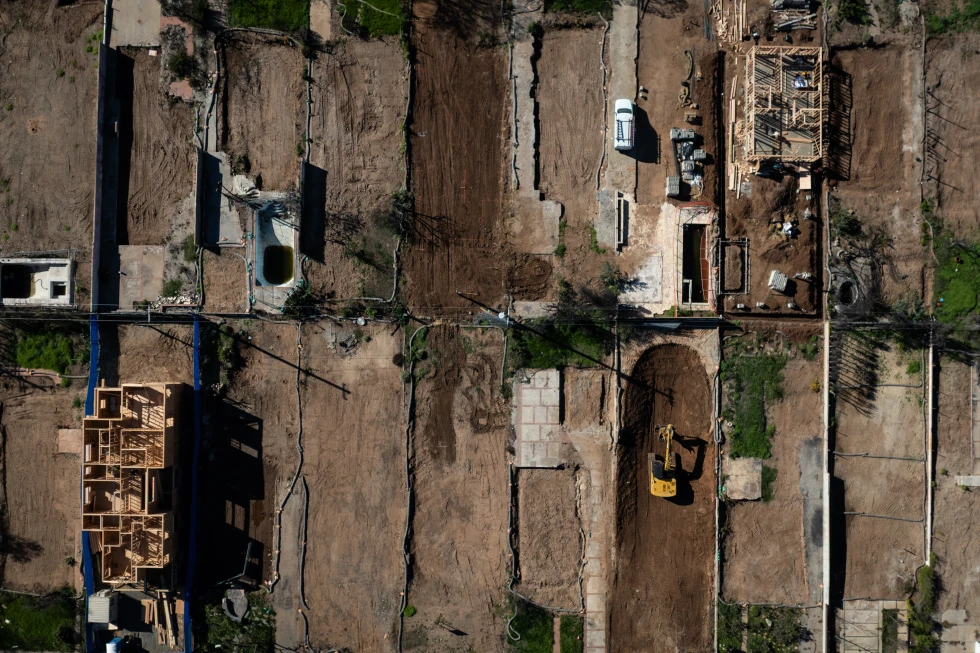
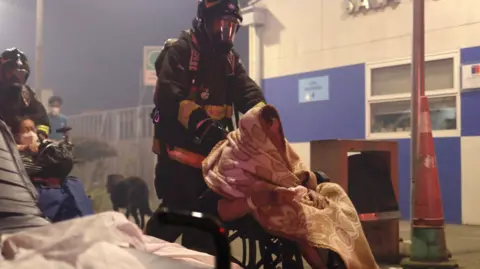
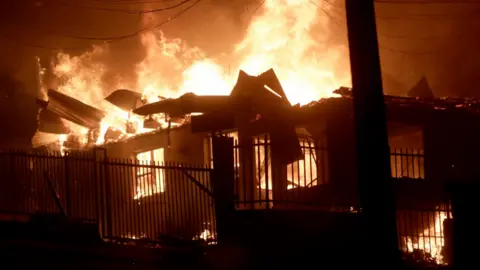
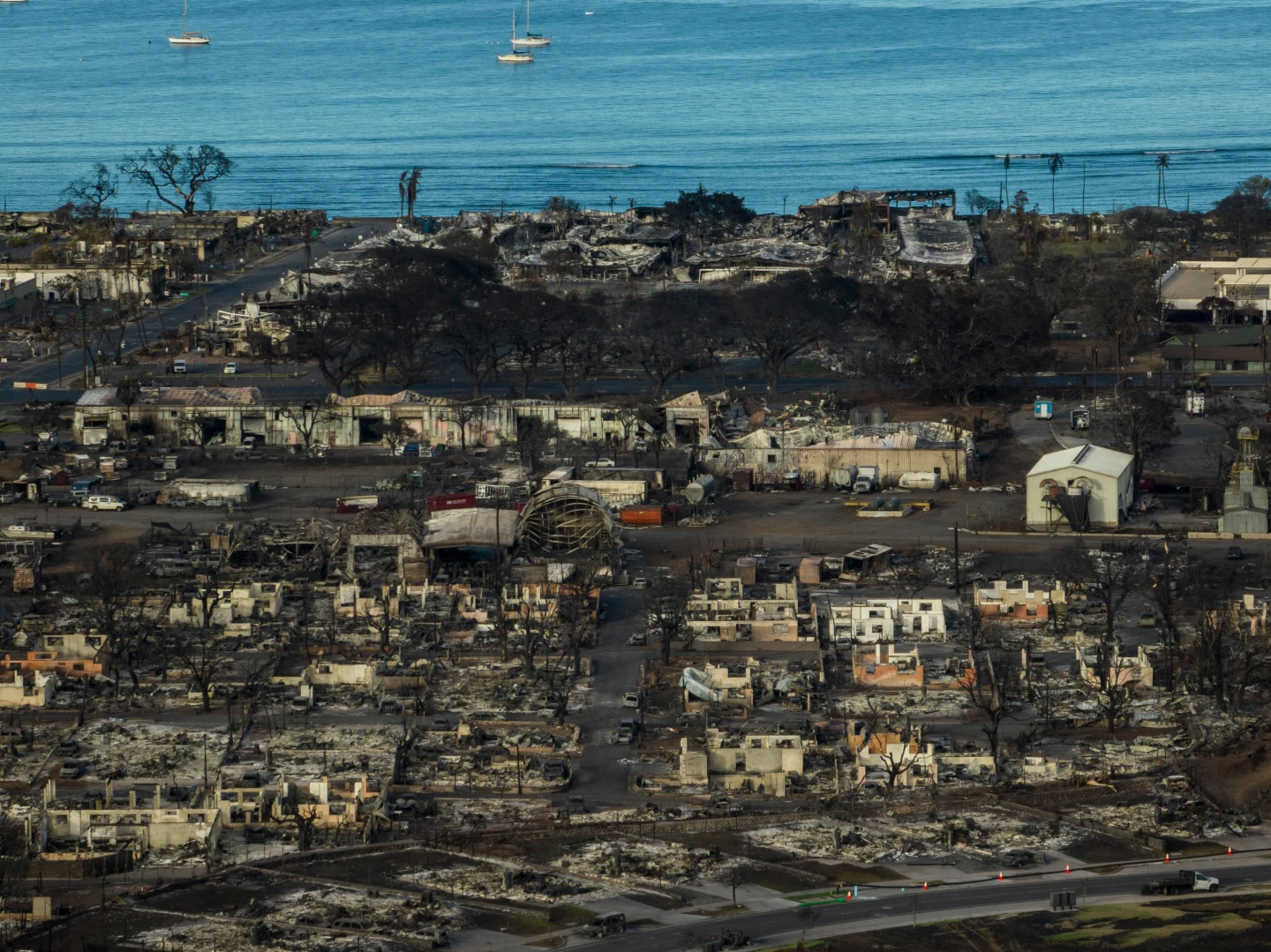
Southern California is facing a catastrophic wildfire crisis, particularly in the Los Angeles area, where multiple out-of-control blazes have resulted in the tragic loss of at least two lives and left many others injured. The infernos have obliterated homes and businesses, cloaking highways in thick, hazardous smoke. Authorities have issued urgent warnings regarding the area's diminishing water supply, cautioning that conditions may worsen.
Tens of thousands have been compelled to evacuate their residences, with new evacuation orders being issued hourly. Approximately 18 school districts are closed, and nearly 400,000 residents are without power due to the fires. As smoke billows into the atmosphere, air quality has dropped significantly, prompting health warnings for vulnerable populations.
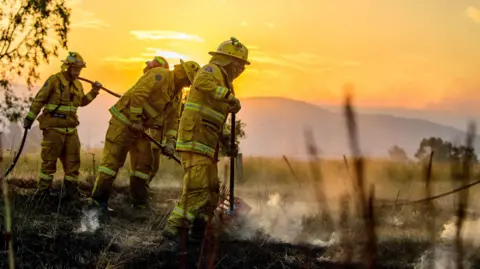
The situation has been worsened by hurricane-force winds, which reached speeds of up to 160 kilometers per hour, accelerating the spread of flames and impeding firefighting efforts. Firefighting teams have been mobilized to the affected areas, yet the extreme winds have grounded aerial operations, complicating containment efforts.
California's winters and late fall seasons have historically been prone to devastating wildfires. Research indicates that the frequency and intensity of these fires have escalated in recent decades, as evidenced by a comprehensive analysis of 60,000 wildfires across the contiguous United States between 2001 and 2020. The study found that wildfires in California and other parts of the West now spread more rapidly due to rising temperatures and decreasing moisture levels, making the terrain increasingly flammable.