In brief
As political tensions surge with the impending inauguration, a wave of demonstrators, predominantly women, hit the streets of Washington D.C. on Saturday, focusing on a range of issues, including climate justice, and rallying against President-elect Donald Trump. Although turnout was lower than previous years, the diversity of concerns united activists who aim to confront systemic challenges and advocate for sustainable change.
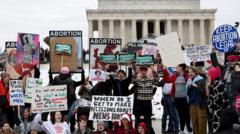
In a significant display of dissent, thousands of demonstrators gathered in Washington D.C. on Saturday, expressing their concerns under the umbrella of the People's March, formerly known as the Women's March. This annual event, which focuses on pushing back against current political sentiments, featured voices raised in opposition not only to President-elect Donald Trump but also against broader systemic issues, including climate change, immigration rights, and gender equality.Despite expectations of a larger crowd, only about 5,000 participants marched through the nation's capital, a noticeable drop from previous year’s turnouts. Gathering at various parks before converging at the Lincoln Memorial, the march was a messaging hub for activists determined to challenge what they termed “Trumpism.” The coalition organizing the march, which included groups who identify with intersecting social issues, made a point to underline their diverse motivations. Protesters shared personal stories, revealing a multitude of emotions driving them to take to the streets. One prominent theme was the concern for climate action; activists voiced their disillusionment with the election of a leader many view as dismissive of environmental concerns.The origins of the People's March trace back to the widespread protests that erupted after the 2016 election, fueling a movement that has been a key factor in opposition tactics against Trump’s policies. Although the scale of participation has diminished over the years, the fervor and determination among demonstrators remain. As demonstrators made their way through the streets, some participants remembered the vast turnout witnessed in 2017 and expressed a resolute commitment to continue resisting policies perceived to endanger the planet. Amidst the crowds, dissent was met with counter-protests by a small group of Trump supporters, further demonstrating the polarized state of American politics.While Trump arrived in D.C. to kick off his inaugural festivities, the marchers sought not only to protest but also to strategize for effective resistance against impending policies that threaten progress on climate issues and social justice. In this current pivot towards a new administration, the stakes for climate activism and societal equity appear higher than ever, marking a crucial moment for advocates committed to safeguarding a sustainable future for all.