In brief
Satellite images reveal the Israeli government is constructing distribution hubs in Gaza to facilitate humanitarian aid, claiming these actions are necessary to mitigate the ongoing crisis exacerbated by recent food and medicine blockades.
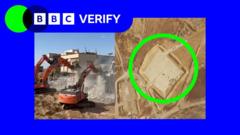
The construction endeavors have raised significant concerns from UN agencies and various humanitarian organizations, who assert that the proposed hubs violate essential human rights and would only exacerbate the suffering of civilians in the conflict-stricken region. Israeli authorities, in coordination with the US, have initiated plans to set up distribution centers in southern and central Gaza as the region grapples with severe shortages due to a blockade imposed earlier this year. This situation has left 2.1 million residents at a critical risk of famine, spurring controversial measures that involve the control of aid distribution.While Israeli officials claim the distribution centers could help manage humanitarian aid, satellite imagery analyzed by BBC Verify highlights ongoing construction efforts, including the creation of roads and secure staging areas vital for delivering food and medical supplies. However, humanitarian experts criticize the plan, arguing that it could lead to a militarized aid system that restricts access to the most vulnerable communities.The Gaza Humanitarian Foundation, supporting the new distribution plan, has announced its goal of supplying essential aid to approximately 1.2 million individuals, representing less than 60% of Gaza’s population. However, they emphasized the need for unrestricted access to normal aid channels until the hubs are operational, reflecting apprehensions regarding forced displacement of residents.UN humanitarian agencies have firmly rejected cooperating with the Israeli plan, framing it as a violation of fundamental humanitarian principles. Concerns have been amplified by reports of Israel allegedly using food and fuel as leverage in its military strategy, with OCHA spokesperson Olga Cherevko asserting that reliance on a limited number of militarized hubs could isolate vast populations of Gaza.Simultaneously, Oxfam's Bushra Khalidi criticized the initiative as inadequate, emphasizing that solutions cannot be found within the context of displacement strategies and calling for the lifting of the blockade to enable independent humanitarian efforts.Satellite evidence confirms ongoing developments at multiple locations indicative of secure distribution centers that are closely monitored by the Israeli military. Experts note that the construction of defensive berms and entrances for logistics suggest a tightly controlled operation.The situation remains precarious as the Israeli Defense Forces (IDF) assert that their operations comply with international law, amidst ongoing debates about the humanitarian implications of their strategies in Gaza. Humanitarian advocates continue to demand attention to the dire needs of the civilians caught in the crossfire of this extended conflict.