In brief
Bolivia is facing a crisis following weeks of protests triggered by a political feud between President Luis Arce and former President Evo Morales. The protests have led to significant fuel shortages, echoing broader regional unrest in Latin America.
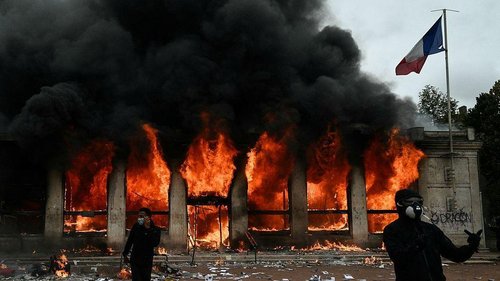
In Bolivia, civil unrest has surged over the past two months as escalating protests reveal a deepening political crisis rooted in a rivalry between current President Luis Arce and his predecessor Evo Morales. Supporters of both leaders have clashed in the streets, leading to roadblocks that have severely disrupted the movement of goods and triggered prolonged fuel shortages. Many Bolivians are now spending days waiting in line for gas, highlighting the urgency of the situation.This turmoil is not isolated to Bolivia; neighboring countries like Ecuador, Peru, and Colombia are also grappling with significant political volatility, reflecting a widespread wave of discontent throughout the Andean region. The unrest in Bolivia underscores the fractures within the Movement for Socialism (MAS), a leftist party that has dominated national politics for two decades.Both Arce and Morales are vying for leadership of MAS as they prepare for the upcoming presidential elections, each insisting that they will be the party's candidate. The conflict mirrors a broader decline in influence for both men, especially given Morales's historic role as Bolivia’s first Indigenous president, who served an unprecedented 14 years in office.As Bolivia’s citizens brace for continued uncertainty, international observers are watching closely, concerned about the implications of prolonged unrest in a nation already facing myriad challenges.