In brief
Following rising doubts about the U.S. nuclear umbrella, European leaders like Germany's Friedrich Merz and Poland's President Andrzej Duda are calling for discussions on nuclear deterrence, prompting a significant reassessment of Europe's defense strategies.
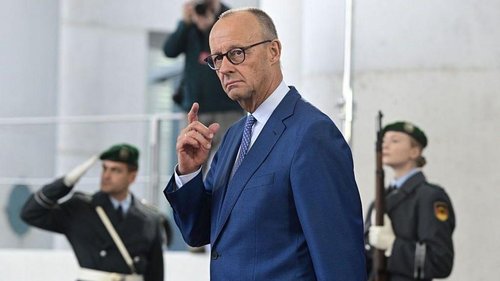
Germany's new chancellor, Friedrich Merz, has ignited discussions among European leaders about the future of nuclear deterrence in light of growing concerns regarding the U.S. commitment to NATO. Merz’s suggestion to engage with France and Britain on creating an extended nuclear deterrent over Germany comes amid troubling geopolitical shifts that have left countries like Poland and Ukraine feeling increasingly vulnerable. Polish Prime Minister Donald Tusk echoed these sentiments, highlighting what he describes as a "profound change of American geopolitics" that may lead Poland to contemplate developing its own nuclear capabilities. Meanwhile, President Duda has called for the U.S. to relocate some of its nuclear weapons from Western Europe to Poland, which he believes would enhance security amid ongoing tensions with Russia.The reaction to these proposals has sparked significant debate across Europe. The very subject of nuclear deterrence is fraught with complexity and caution, especially as NATO's Article Five hinges on collective defense assurances anchored by the U.S. nuclear arsenal. While Trump insists on U.S. support for NATO's nuclear umbrella, a rising wave of skepticism among European allies has raised serious concerns about their future security.The discussions surrounding European nuclear strategies reflect a critical period of reassessment, as leaders confront uncertainties regarding their dependence on American defense commitments, along with the implications for regional stability and security. As Europe prepares for potentially major changes in its defense posture, the focus remains on the balance between deterrence and diplomacy in an increasingly unpredictable global landscape.