In brief
With growing participation in recent weeks, various competitions featuring young male celebrities like Timothée Chalamet and Harry Styles have emerged, providing a much-needed break from the somber news cycle.
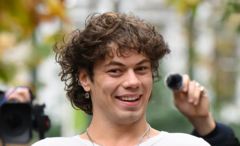
The recent surge of celebrity lookalike competitions in both the UK and US has captivated the public’s interest, transforming a simple pastime into a social phenomenon. Originating from a Timothée Chalamet lookalike event in New York, the craze has spread rapidly, attracting young adults eager for a nostalgic yet comical reprieve from their daily lives.One such participant, 20-year-old Miles Mitchell, delightedly shared how he won the Chalamet competition. After being frequently mistaken for the actor while in South Korea, Miles was drawn to the event not only for the prize but for the chance to socialize without the usual costs associated with a night out in New York. The competition showcased a wide array of aspiring doppelgangers, yet it was a break from the norm that caught the attention of many on social media, some describing it as “a historic pop culture moment.”Similarly, Oscar Journeaux, a 22-year-old musician who won a Harry Styles lookalike contest in London, shared his motivations for joining. For him, the contest was an avenue for self-promotion amid the fierce competition in the music industry. He humorously acknowledged a generational boredom driving many millennial and Gen Z participants to find entertainment in these eccentric events.As the competition swept through cities, journalist Katrina Mirpuri pointed out its deeper significance. By organizing such contests, she aimed to foster a sense of community and joy in a time when negativity often prevails on social platforms. With the overwhelming turnout from excited audiences, she stated, “it was about celebrating each other and having some fun.”For others, like Jaipreet Hundal who won the Dev Patel lookalike event in San Francisco, these gatherings were less about winning or losing and more about connecting with others and experiencing the joyful energy of fandom. With attendees responding enthusiastically to the various “celebrities” parading on stage, the events curiously highlighted the need for shared human experiences in a world increasingly dominated by social media.Moreover, Julio Odreman, a longtime Zayn Malik lookalike, expressed how his resemblance to the singer has become such a defining aspect of his identity that friends no longer refer to him by his name. Julio’s participation in the upcoming New York contest illustrates how participants frequently find escapism in mimicking the charm of high-profile personalities.Bringing the community together, these cheeky lookalike competitions offer a harmless way to indulge in celebrity culture, allowing individuals to momentarily forget the weight of the world and enjoy some light-hearted fun. In an era yearning for connection, the growth of these contests is a vibrant reminder of the value of celebration and community.