In brief
In the wake of Charlie Kirk's assassination, Vice President JD Vance has urged the public to report anyone celebrating the murder, escalating a campaign that critics warn echoes McCarthyism. Investigations are spreading across several Republican-led states targeting educators and others for perceived inappropriate comments, leading to firings and suspensions. This political move raises questions about free speech and the implications of labeling dissenters as part of a 'vast domestic terrorist network'.
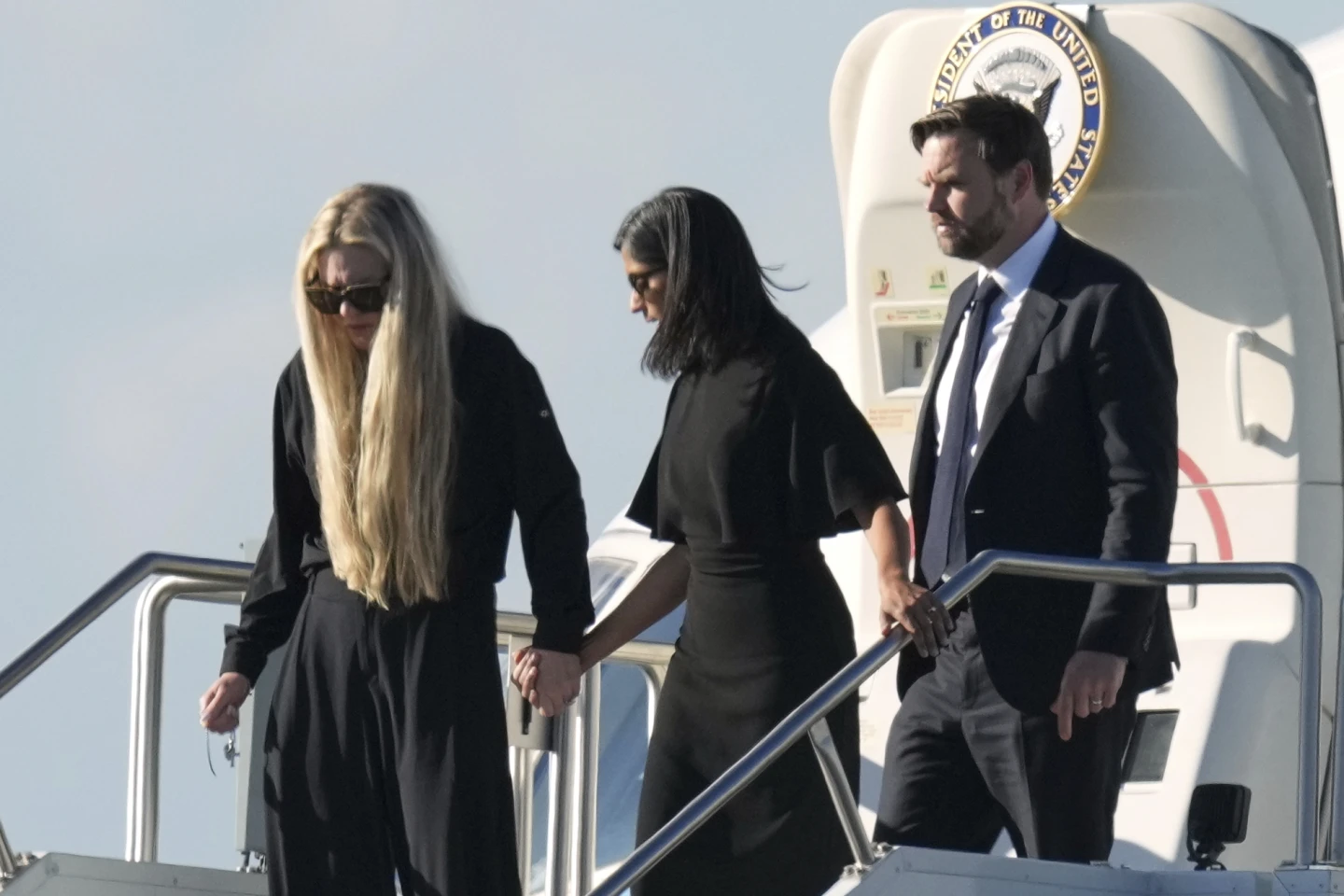
After the assassination of prominent conservative activist Charlie Kirk, Vice President JD Vance called for public accountability against those celebrating his death, heightening concerns about freedom of expression in the political arena. During Kirk’s podcast, Vance implored listeners to report individuals who express joy over the killing, warning, “Call their employer.”
Experts, including Adam Goldstein from the Foundation for Individual Rights and Expression, have likened Vance's rhetoric to McCarthyism, pointing out the historical implications of targeting individuals for their speech. This situation has sparked a nationwide conversation about the ramifications of political discourse and censorship.
In response to the assassination, conservative states such as Florida and Texas have begun investigations into teachers who made adverse comments about Kirk. The U.S. military has even encouraged reports against service members who “mock” the assassination, with consequences already enacted against some troops. This broadening of targets extends to individuals who merely criticized Kirk’s past statements without celebrating his death.
Karen Attiah, a columnist for The Washington Post, was fired after critical comments made on social media regarding Kirk’s legacy and his statements about race. PEN America has expressed concern that such firings contribute to a chilling effect on free expression, as individuals may fear retribution for their viewpoints.
This attack on free speech is underscored by the current political climate where accusations of 'cancel culture' are prevalent. Originally coined by conservatives, the term represents a reaction to perceived censorship targeting right-leaning views. Ironically, some argue that the response to Kirk's assassination is now perpetuating the very phenomenon conservatives previously condemned.
Charlie's Kirk's legacy remains divisive; revered by Trump supporters for his fierce rhetoric against progressives, he was also a controversial figure whose remarks often inflamed tensions on the left. Following his assassination by Tyler Robinson, a 22-year-old with a troubling online presence, the narrative surrounding Kirk has intensified as former colleagues call for unity against the left while simultaneously seeking to target those who differ politically.
Vance appeared on Kirk's podcast alongside Trump ally Stephen Miller, who promised to challenge what he labels a domestic terrorist network, implicitly suggesting that dissenting organizations should be monitored for any incitement to violence. Such talk has raised alarms across political lines, with many questioning whether the government should pursue individuals based solely on their beliefs.
As the situation unfolds, it remains crucial for civil society to tread carefully. The risks of government overreach in punishing political opponents under the guise of public safety could undermine the very tenets of democracy that many claim to uphold. The ongoing dialogue around free speech, accountability, and the role of government in regulating discourse is more pertinent than ever.