In brief
As Marineland Antibes, one of Europe’s largest marine zoos, shuts down due to new welfare legislation, the future of its resident orcas is uncertain. With proposed relocation sites facing backlash for potential welfare risks, advocates stress the need for a sanctuary environment that can prioritize the animals' social and physical needs.
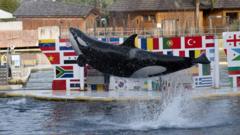
The recent closure of Marineland Antibes, a prominent marine zoo on the French Riviera, has thrown the future of its two killer whales, Wikie and Keijo, into turmoil. Following the enactment of new animal welfare laws banning whale and dolphin performances, the facility has ceased operations, and with it, the fate of these orcas hangs in the balance.Marineland, which has boasted of being the largest marine park in Europe, has been a major attraction due to its shows featuring dolphins and orcas—responsible for drawing nearly 90% of visitors. As management proposed several relocation options for the whales, animals rights activists have voiced their concerns over the potential outcomes.Experts agree that returning Wikie, 23, and her 11-year-old son Keijo to the wild is not feasible. Both orcas have spent their entire lives in captivity and lack the survival skills required to thrive in natural habitats. Marine biologist Hanne Strager compared this situation to relocating a pet dog to the wild, highlighting that the orcas’ closest social bonds have been formed with humans who have cared for them throughout their lives.Wikie and Keijo were considered for relocation to a marine zoo in Japan, but public outcry ensued due to concerns that their treatment would worsen. The French government intervened last November, rejecting the transfer due to Japan's more lenient animal welfare laws and the stress of an extensive 13,000-kilometer journey.Activists suggest moving the orcas to Loro Parque, a facility in Tenerife that complies with European welfare standards, yet fears persist that they would still be subjected to performances. Moreover, a recent spate of orca deaths at Loro Parque raises alarm among advocates.The charity World Animal Protection advocates for the construction of a sanctuary that could provide a humane environment for Wikie and Keijo, allowing them to live out their lives in a 40-hectare section of closed-off seawater. This system would offer access to veterinary care while allowing the whales the freedom that closely resembles their natural habitat.The Whale Sanctuary Project aims to secure funding and official support from the French government to establish such a sanctuary off the coast of Nova Scotia. Experts project that the average lifespan for male killer whales is around 30 years, while females can live up to 50 years, further emphasizing the need for a safe and supportive habitat for these long-lived creatures.Despite previous cases of orcas successfully adapting to life in sanctuaries, some conservationists caution that the stark shift in environment might be disorienting for animals so accustomed to human presence. Strager stresses the complexity of interpreting freedom in terms of animal behavior, emphasizing that what humans perceive as liberation may be perceived differently by the orcas.The closure of Marineland Antibes is a significant marker in the ongoing campaign against marine captivity, spurred on by public protests, such as Pamela Anderson’s 2017 demonstration calling out the harms of captivity. Notably, the documentary "Blackfish," which examined the implications of keeping orcas in captivity, has influenced public perception and pushed towards a critical examination of marine zoos.As the world watches closely, the future of Wikie and Keijo remains a poignant symbol of the wider conversation surrounding animal rights and welfare in captivity. With challenges in finding suitable sanctuary options, advocates continue to push for solutions that prioritize the well-being of these intelligent and social animals over entertainment.