In brief
As humanitarian aid enters Gaza under a heavily reduced blockade, desperate locals clash for resources, revealing the critical shortfall and rising tensions as security deteriorates further.
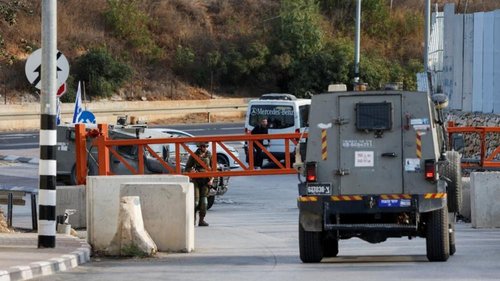
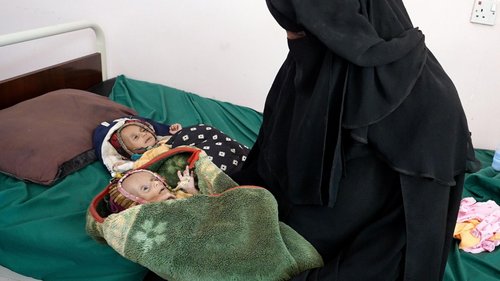
The dire humanitarian crisis in Gaza worsens as only a trickle of food aid arrives following the partial lifting of an Israeli blockade. This situation has led to chaotic scenes, with desperate citizens overwhelmed by hunger clashing for limited resources. On Thursday, bakeries distributing food were forced to close after crowds descended upon them, and armed looters attacked an aid convoy that was also beset by violence.Eyewitnesses have described a harrowing event where a convoy of 20 trucks, carrying vital flour supplies and coordinated by the World Food Programme (WFP), was ambushed by unidentified gunmen while being escorted by Hamas security. The resulting firefight saw six Hamas officers killed when an Israeli drone targeted the area, escalating an already precarious situation. In response, Hamas condemned the attack, labeling it a "horrific massacre" and accusing Israel of intentionally targeting those protecting humanitarian efforts.With humanitarian organizations advising that a staggering 500 to 600 trucks of supplies are necessary daily to support Gaza’s population of 2.1 million, the current influx does little to alleviate the burgeoning crisis. Despite 130 aid trucks entering over three days, the numbers illustrate a severe inadequacy. The WFP reported incidences of looting against its aid trucks, attributing the increasing violence to widespread hunger and desperation.In the face of mounting aid frustrations, several residents voiced complaints about the distribution strategies currently in place. Many suggested a switch from distributing bread at crowded bakeries to directly handing out flour, arguing it would allow families to cook safely at home and avoid chaotic scenes rife with insecurity. The worsening conditions have left a significant portion of the population lacking basic necessities such as food, water, and medical supplies.Testimonies from residents illustrate the grim reality on the ground; Abd al-Fatah Hussein, a father in a displacement camp, described a chronic lack of electricity and food. A midwife from Project HOPE noted that malnutrition is becoming rampant among mothers who can barely provide enough milk for their babies due to hunger.The international community, represented by figures such as UN Secretary General Antonio Guterres, has urged for immediate and substantial increases in aid levels, noting the enormous backlog of unsecured supplies awaiting entry into Gaza.As families face continuous military operations and deteriorating living conditions, the cycle of despair deepens. Aid groups, while making small strides in providing basic provisions, warn that current efforts are merely a drop in the ocean compared to what is desperately needed to stave off impending famine in Gaza.