In brief
Friedrich Merz, a prominent figure in Germany's conservative party, has made a notable resurgence in politics, challenging the status quo with radical immigration measures supported by far-right votes. As his popularity grows ahead of a pivotal election, he grapples with the balance of appealing to both traditional party values and a shifting political landscape.
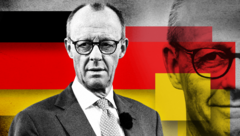
Friedrich Merz is being touted as a potential leader for Germany, a figure that some believe could revitalize confidence in European politics. Formerly associated with the establishment of the Christian Democratic Union (CDU), his recent attempts to tighten migration controls by courting far-right support highlight a willingness to take risks that starkly contrast with the party's past leadership under Angela Merkel.While Merz’s recent initiatives have faced backlash—including protests and disapproval from Merkel herself—his political maneuvering has significantly impacted an election campaign ignited by the downfall of Chancellor Olaf Scholz's government in late 2022. This former corporate executive, who momentarily stepped back from politics, appears to be rekindling ambitions for the chancellorship.The political landscape was alive on January 23, with Merz addressing supporters in a luxury Berlin hotel just a month before the essential snap federal elections. Although the enthusiasm within the room was modest, it marked a significant comeback from years of political obscurity.With a background as a licensed pilot and a reputation for being business-like in demeanor, Merz is aiming to establish himself as a capable leader. He was born in Brilon in 1955, coming from a conservative Catholic family and joining the CDU as a student. Through the years, he has maintained an image characterized by seriousness mixed with a hint of humor, though friends from earlier days comment that he might have lost some of that light-heartedness over time.Merz’s early political journey saw him elected to the European Parliament in 1989 before transitioning to Germany's national parliament in 1994. Throughout this path, he attempted to lead the CDU, facing past political defeats but remaining deeply ambitious. His rivalry with Merkel during the early 2000s led to a shift away from politics, where he gained wealth in the corporate sector.Recently, Merz's political gamble struck a chord with tougher immigration propositions facilitated by the far-right Alternative für Deutschland (AfD). While he asserts there was no direct partnership with the AfD, his actions have drawn sharp criticism from many, including threats to alienate moderate voters.This electoral experiment pushes Merz into a challenging arena, particularly concerning coalition-building with other political factions. Critics fear his approach could hinder trust, yet supporters see a strategic effort to attract disenchanted voters from right-leaning backgrounds.Despite a mixed public perception—one that reportedly skews negatively among younger demographics and women—those close to him advocate for a more nuanced understanding of his character. His wife, Judge Charlotte Merz, defends his reputation, portraying their partnership as one of mutual support and shared responsibilities.As the upcoming elections loom and the political environment evolves, Merz's strategies will be rigorously tested. Observers in Brussels are wary yet hopeful for change, echoing the sentiment that Germany must dissolve its current impasse and rejuvenate its leadership.