In brief
Abdul Qahar Ghorbandi, once a covert Taliban operative, now leads Afghanistan's Taxpayers Services Directorate. Tasked with increasing revenue in a struggling nation, he faces the dual challenges of crippling international sanctions and an economy in shambles post-Taliban takeover in 2021.
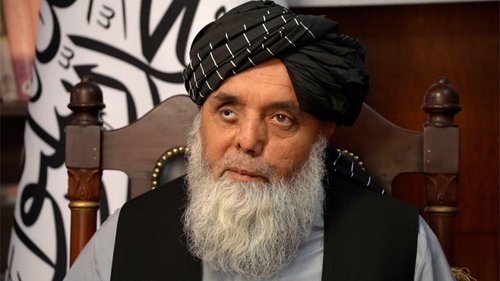
In the heart of Kabul, Abdul Qahar Ghorbandi has transitioned from a shadowy Taliban operative to the director of the Taliban’s Taxpayers Services Directorate, embodying a unique mix of authority and approachability. From behind his imposing desk, adorned with the iconic black and white Taliban flag, Ghorbandi oversees the challenging task of tax collection in a country grappling with severe economic difficulties and international isolation. His congenial personality belies the weight of his responsibility: each day, he interacts with a diverse array of Afghan taxpayers—teachers, grocers, truckers, and gemstone dealers, all of whom come bearing income documentation and questions about their taxes. The implementation of a structured tax system in Afghanistan has become increasingly crucial since the Taliban's takeover in 2021, especially following a dramatic downturn in the country's economy due to stringent sanctions and drastically reduced aid from international donors.The Taliban's regime has had to pivot towards tax revenue as the primary source of income since U.S. aid, crucial for humanitarian support, has dwindled significantly under pressure to steer clear of the new government. Ghorbandi’s efforts to enhance tax collection are an integral part of the regime’s strategy to stabilize the economy while coping with the restrictions aimed at punishing their human rights agenda, particularly regarding women's rights.As Ghorbandi navigates this precarious landscape, the role of the taxman has gained a profound importance in a nation where financial stability remains elusive and the impacts of sanctions are deeply felt across the sectors. He silently champions the effort to rebuild a fractured economy, proving that the road ahead for Afghanistan remains long and filled with hurdles, but not devoid of potential change.