In brief
In a rare glimpse into the Taliban’s day‑to‑day authority, Governor Abdullah Sarhadi of Jawzjan Province hands out aid while a 18‑year‑old woman openly demands a divorce, sparking commentary on women’s rights and legal restrictions. The BBC reports that Afghan women are barred from secondary schooling and face severe constraints on travel and employment. Senior Taliban figures, including former commander Habibullah Badr, reveal a clash between past insurgency tactics and current political roles, while the regime tightly controls media and public expressions. The story highlights the deep human rights challenges and the potential for civil society to push for change, even as the Taliban positions itself as a devout but repressive force. The broader context shows how Afghanistan’s political landscape remains fraught with power struggles, limited freedom for women, and ongoing humanitarian concerns.
Governor Abdullah Sarhadi of Jawzjan Province juggles public welfare donations with a shocking exchange in his office in northern Afghanistan.
In 2024, an 18‑year‑old woman—her identity deliberately masked by a full‑face veil and sunglasses—publicly demanded a divorce from her husband who she claimed had abused her. Sarhadi, surrounded by other officials, heard her plea and bluntly responded that women are "mindless" and "deficient in intellect," prompting laughter from the room. She insisted that her honour had been ruined, and her father later told the reporters that the family would seek a court‑ordered divorce, a process which under Sharia law requires the husband's consent.
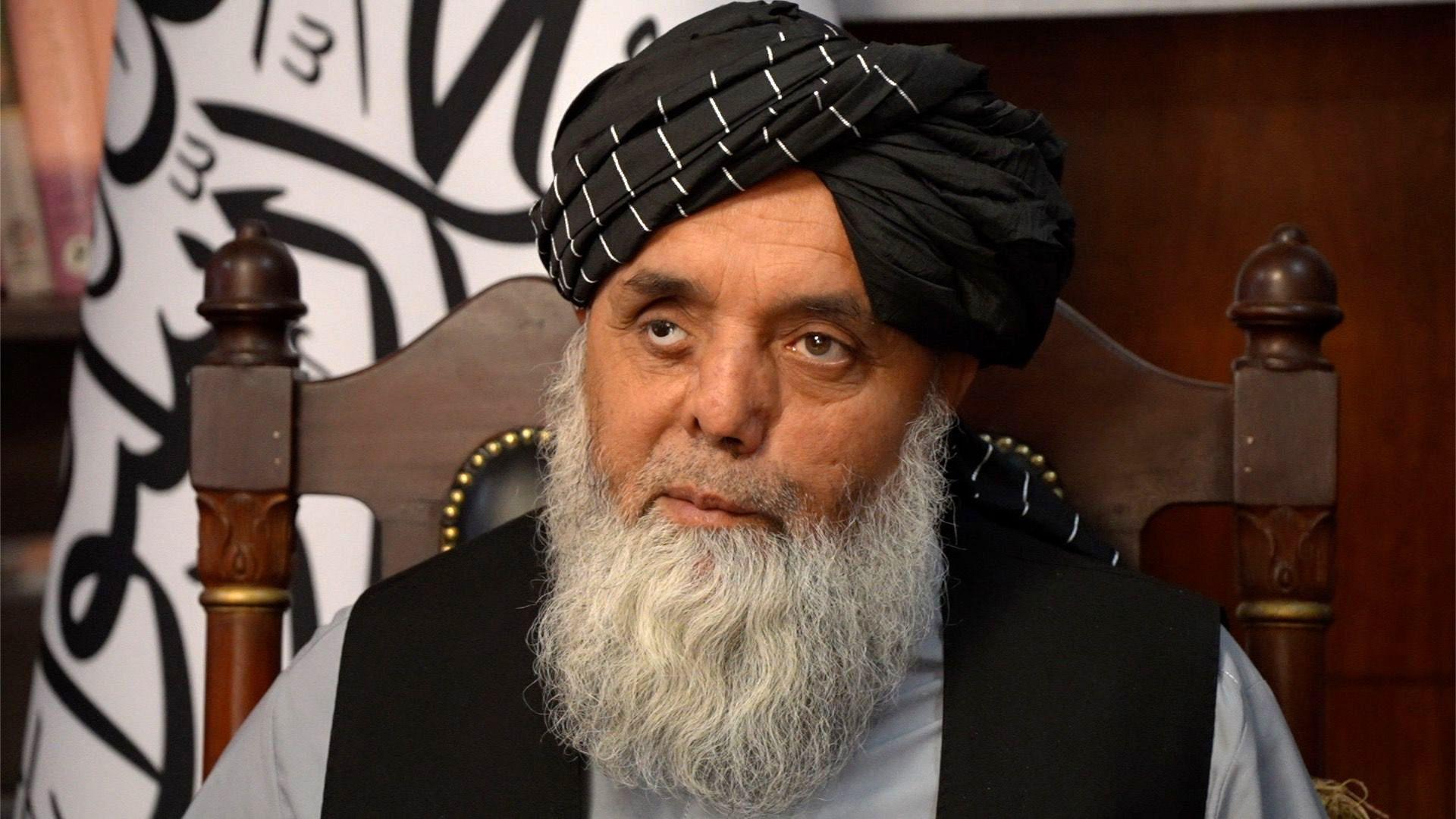
The episode underscores a pattern of the Taliban’s rule, where women are largely banned from secondary education, prohibited from working openly, and barred from traveling or visiting leisure sites. In Kabul, the BBC interviewed Habibullah Badr—once a suicide attack cell commander—who now holds a deputy head of prisons role. Badr admitted his past behind a hushed “we dont talk about it” stance, while discussing the Taliban’s rhetoric on media restrictions.
The report reflects persistent contradictions: governance leaders narrate commitments to women’s rights in a Sharia‑based framework, yet still claim women’s work could “undermine dignity”, and restrict their educational opportunities. Interventions by the Taliban’s spokesman, Zabihullah Mujahid, echo these contradictions, insisting that all reforms must be viewed through Islamic law even when widening access to education is debated.
Beyond the political elite, ordinary residents face dire deprivation. The BBC’s journey to a remote, unmarked graveyard led by former fighter Abdul Samad revealed crumbling infrastructure—lack of clean water, roads, and clinics. In Kandahar, the Taliban’s heartland, journalists were denied filming rights, and the southern city has become a strict enforcement of men having beards and banning women’s voices on radio.
As Afghanistan remains beset by poverty, unemployment, and instability, the regime’s influence on civil society often comes in the form of severe restrictions rather than progressive change. The BBC’s exposé—through short interviews, video, and companion articles—documents the ongoing struggles faced by women, educators, and ordinary Afghan citizens under a repressive rule.
Related Reading: Five years after the Taliban swept to power, does the West have any influence?