In brief
The Syrian government's recent ruling on swimwear aims to promote public decency but has raised concerns about individual freedoms. While some support the measure for its moral implications, others express discomfort with governmental control over personal choices.
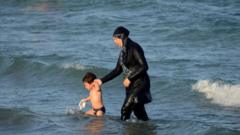
Syria's interim government, under Islamist leadership, has implemented a controversial decree mandating that women don burkinis—swimwear designed to cover the body, leaving only the face, hands, and feet visible—while at public beaches and swimming pools. This regulation, announced by the tourism ministry, is reported to aim at "enhancing public safety standards and preserving public decency," according to the Syrian state news channel Al-Ikhbariyah al-Suriyah.Certain venues, such as private beaches, clubs, and hotels rated above four stars, will not be subject to these new rules. Traditionally, modest attire is common among women at Syrian beaches; however, some do choose to wear more Western-style swimwear. Under the new regulations, all beach-goers must adopt "more modest swimwear," which could include the burkini or other outfits that provide additional coverage.Furthermore, the decree states that women should wear a cover-up or loose clothing when transitioning between swimming areas, prohibiting the transportation of swimwear outside designated beach zones without appropriate attire. Men are likewise restricted, required to wear shirts outside of swimming environments and forbidden from being bare-chested in public areas.While the decree specifies that "normal Western swimwear" may be permitted in exempt venues, it underscores a broader intention for attire to adhere to norms of public decency. Individuals are discouraged from wearing transparent or tight clothing.The directive does not elaborate on penalties for non-compliance, nor does it detail enforcement methods beyond stating that lifeguards and supervisors will be appointed to oversee adherence on public beaches. Reactions from locals reveal a divide in perspectives regarding the new regulations. A woman from Idlib expressed understanding for the rationale behind the ruling, noting that some families prefer to limit exposure. Conversely, Rita from Damascus voiced her discontent, emphasizing the lack of precedent for such laws and the discomfort they bring about individual choice. In the backdrop of these social regulations lies the context of Syria’s recent history. Following years of civil unrest, Islamist rebel factions led by Ahmed al-Sharaa assumed control of the government, promising an inclusive regime. Al-Sharaa has since claimed a commitment to women's education and rights, explicitly denying intentions to impose severe restrictions akin to those in Afghanistan.In addition to the swimwear directive, Al-Sharaa's administration also released a constitutional declaration affirming Islam as the religion of the president while outlining various guarantees surrounding women's rights, freedom of expression, and media liberty.