
In brief
The UN's humanitarian agency reports alarming spikes in food prices and potential shortages of aid in Gaza due to Israel's blockade of humanitarian supplies. Accompanying statements from international leaders emphasize the need for immediate re-establishment of aid flows and the principle that humanitarian assistance should not be politicized.
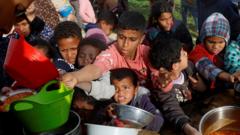
As humanitarian aid into Gaza is halted by Israel, the United Nations has raised concerns over soaring food prices and dire shortages looming over the strip. Reports from the UN's humanitarian coordination office (OCHA) highlight a staggering increase in food costs, with staples like flour and vegetables seeing prices double in many areas. Residents of Gaza echoed these claims, expressing fears about the impacts on their daily lives.Prime Minister Benjamin Netanyahu’s decision to block aid stemmed from allegations against Hamas of stealing provisions, leading to international outcry. The foreign ministers of France, Germany, and the UK condemned the humanitarian situation as "catastrophic," and emphasized that aid should be seen as a right, not a bargaining chip.Under prior ceasefire agreements, thousands of aid trucks were entering Gaza weekly, but following the suspension, OCHA cautioned that 80 community kitchens might soon close due to lack of supplies. People have already begun to notice severe price increases, with reports of basic goods costing up to three times more than before the conflict began.One resident, Abu Qais Aryan, narrated that the cost of tomatoes shot up overnight, rendering basic nutrition unattainable for many families. Several Gazans attributed rising prices to merchant exploitation, while others blamed the overall circumstances created by the blockade. Medical aid organizations have echoed these sentiments, emphasizing the humanitarian crisis and the unacceptable use of food as a political tool.They urged international intervention, arguing that the blockade violates humanitarian laws and puts millions of lives at stake. Qatar and Egypt, key mediators in the ceasefire, also condemned Israel's tactics, affirming that they constituted a violation of international law.A spokesperson for Israeli authorities claimed that Hamas had hoarded supplies, insisting that food availability was not the issue. However, community kitchens and vulnerable populations within Gaza seem to be the ones suffering from the lack of aid, as hopes of returning to a stable food supply dim amidst fears of exacerbating hunger and malnutrition in the region.



