In brief
Summary: Following the cessation of hostilities, tens of thousands of Baalbek's residents are returning to a city in ruins, where the toll of conflict is painfully visible among both structures and spirits.
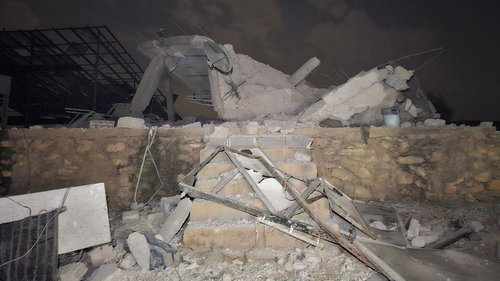
In Baalbek, Lebanon, the air resonates with the sound of reconstruction as residents begin to sift through the debris of their once-vibrant city. With a cease-fire in place following the deadliest episode of violence seen in decades, many displaced citizens rushed back to survey the damage left in the wake of extensive Israeli airstrikes.Young adults captured fleeting moments of resilience, snapping selfies near the ancient Roman ruins that grace the city, while motorcyclists spun in celebration amidst the destruction. Yet, the reality of devastation is striking, with many buildings reduced to rubble, businesses destroyed, and the casualties of war still unaccounted for beneath the wreckage. As residents like Taflah Amar, a 79-year-old woman, reflect on their plight, the sorrow is palpable. "What did I do to deserve this?" she questions as she clears her doorstep, evoking the emotional struggle that saturates the atmosphere. For many, the task of rebuilding goes beyond physical repairs; it involves collective healing from the traumas suffered over the past weeks. While the flurry of life attempts to reclaim the city, the question remains: how does one rebuild when the scars of conflict run deep, and the pain of loss lingers in every corner? Baalbek’s journey to recovery will be as much about restoring homes as it will be about restoring hope.