In a tragic incident, officials are probing the mysterious deaths of at least 17 individuals, including 12 children, in Badhal village located in Jammu's Rajouri district, India. The distressing occurrences have unfolded between 7 December and 19 January, with victims initially exhibiting signs akin to food poisoning. However, they abruptly lost consciousness, raising grave concerns among the local population about potential contaminants.
The Jammu and Kashmir administration has declared the village a containment zone as a precautionary measure. Health experts ruled out infectious diseases, indicating that the situation does not pose a risk of an epidemic. Dr. AS Bhatia, a prominent local healthcare figure, reported that the first five patients admitted to local medical facilities showed classic food poisoning symptoms such as vomiting and diarrhea. Alarmingly, these cases deteriorated rapidly, leading to sudden loss of consciousness.
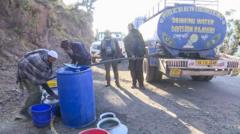
The Indian federal government has taken action by launching a thorough investigation, deploying a special team that includes police, pathologists, and other health specialists to explore the situation. Early findings suggest that the consumption of contaminated food and water could be responsible for the fatalities. As a precaution, residents have been advised to refrain from drinking water from a nearby spring, which has tested positive for pesticide residues.
Among the deceased, six children were siblings, ranging in age from seven to 15. Their homes have since been sealed off to prevent any further health risks. The administrative response includes moving individuals identified as close contacts of the affected families to a government hospital for monitoring. Residents of Badhal have been directed to consume only food and water provided by the authorities.
A number of patients, around 10, have been hospitalized across various medical facilities in Rajouri, Jammu, and Chandigarh, with treatment underway. Dr. Shuja Quadri, an epidemiologist, characterized the disease outbreak as localized, discounting possibilities of viral, bacterial, protozoal, and zoonotic infections. In a glimmer of optimism, five patients from a second group admitted on 12 December, including a one-year-old, have shown signs of recovery.
The events surrounding these tragic deaths have drawn widespread attention, as both local authorities and health experts continue to seek answers. The community is urged to stay updated and follow safety protocols while investigations progress.
The Jammu and Kashmir administration has declared the village a containment zone as a precautionary measure. Health experts ruled out infectious diseases, indicating that the situation does not pose a risk of an epidemic. Dr. AS Bhatia, a prominent local healthcare figure, reported that the first five patients admitted to local medical facilities showed classic food poisoning symptoms such as vomiting and diarrhea. Alarmingly, these cases deteriorated rapidly, leading to sudden loss of consciousness.
The Indian federal government has taken action by launching a thorough investigation, deploying a special team that includes police, pathologists, and other health specialists to explore the situation. Early findings suggest that the consumption of contaminated food and water could be responsible for the fatalities. As a precaution, residents have been advised to refrain from drinking water from a nearby spring, which has tested positive for pesticide residues.
Among the deceased, six children were siblings, ranging in age from seven to 15. Their homes have since been sealed off to prevent any further health risks. The administrative response includes moving individuals identified as close contacts of the affected families to a government hospital for monitoring. Residents of Badhal have been directed to consume only food and water provided by the authorities.
A number of patients, around 10, have been hospitalized across various medical facilities in Rajouri, Jammu, and Chandigarh, with treatment underway. Dr. Shuja Quadri, an epidemiologist, characterized the disease outbreak as localized, discounting possibilities of viral, bacterial, protozoal, and zoonotic infections. In a glimmer of optimism, five patients from a second group admitted on 12 December, including a one-year-old, have shown signs of recovery.
The events surrounding these tragic deaths have drawn widespread attention, as both local authorities and health experts continue to seek answers. The community is urged to stay updated and follow safety protocols while investigations progress.