In brief
Recent tariff increases on steel and aluminum imports come with mixed reactions. While domestic producers are optimistic about potential job creation and investment, industries relying on these materials, along with consumers, brace for rising costs.
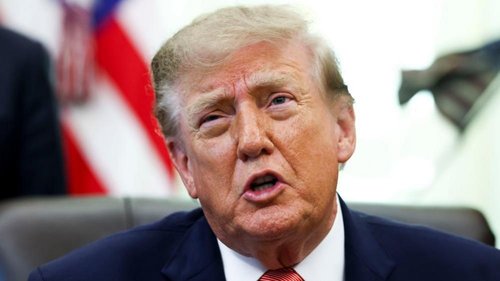
President Trump’s recent decision to elevate tariffs on steel and aluminum imports has stirred significant debate across the economy. Following an initial 25 percent levy, the new adjustment has reduced those tariffs to a striking 50 percent. This move aims to bolster U.S. steel manufacturers by discouraging imports, particularly from countries viewed as dumping steel into the U.S. market. However, this initiative carries notable implications for various sectors, including home builders, automotive manufacturers, oil producers, and can makers, who are now faced with spiraling material costs. Significant pushback has emerged from industries that rely heavily on these metals, as rising tariffs are likely to shift the burden of costs onto consumers. Mary E. Lovely, a senior fellow at the Peterson Institute for International Economics, emphasizes that “it means higher costs for consumers.” Larger corporations will likely pass down these increased expenditures in the form of higher prices, impacting families across the nation. Nevertheless, the American iron and steel industries have praised the elevated tariffs, indicating hope for invigorating domestic production and creating jobs. Kevin Dempsey, CEO of the American Iron and Steel Institute, believes that heightened tariffs will allow U.S. producers the competitiveness they need against foreign markets, particularly from China.As this situation unfolds, various stakeholders are closely monitoring its ramifications, weighing the support for domestic manufacturing against the broader implications for consumer spending and economic stability. The event will serve not only as a potential turning point for U.S. manufacturing but also as a test for the resilience of consumer purchasing power amid shifting economic policies.