
In brief
The ongoing crisis threatens to leave half the Gazan population without adequate nutrition following the suspension of aid, as humanitarian organizations warn of an impending catastrophe.
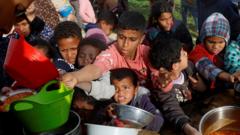
Food prices in Gaza have skyrocketed and humanitarian aid is running dangerously low after Israel’s recent decision to halt the entry of assistance, according to the UN's Office for the Coordination of Humanitarian Affairs (OCHA). Rising factors include the doubling of flour and vegetable prices, severely impacting Gazan families already struggling with food insecurity.The Israeli government, led by Prime Minister Benjamin Netanyahu, justified the blockade by alleging that Hamas has been misappropriating aid supplies. Netanyahu’s accusations were paired with a refusal to accept a proposed extension of the ceasefire, which previously allowed aid to flood into the region at levels unprecedented in recent memory. Hamas, on the other hand, has dismissed these accusations as manipulative and unfounded.As community kitchens report diminishing supplies, OCHA warns that without a resumption of aid, “at least 80 community kitchens may soon run out of stock,” and they might have to alter meal preparations or reduce the number of meals they can serve. Abu Qais Aryan, a resident from Khan Younis, recounted that the price of tomatoes surged overnight from five shekels to ten, highlighting the crippling financial impact on households.Residents have expressed their fears over the escalating prices, with some pointing to merchants increasing costs in reaction to the market instability. Merchant Mahmoud Abu Mohsen explained that he had to raise prices due to increased costs from wholesalers, portraying a dire economic reality for both sellers and buyers alike.International aid organizations have condemned the blockade, with Doctors Without Borders (MSF) calling it "unacceptable" and a clear violation of humanitarian principles. Both Qatar and Egypt, the parties involved in mediating the original ceasefire, have criticized Israel's actions; Qatar described it as a violation of international humanitarian law, while Egypt's foreign ministry accused Israel of using hunger as a weapon against civilians.The Israeli government, countering claims of a humanitarian crisis, maintains that it is Hamas that hoards supplies and fails to share them with the needy population. David Mencer, a spokesperson for the Israeli Prime Minister’s office, asserted that claims of impending starvation are exaggerated, alleging that Hamas has enough supplies to feed the population adequately—though evidence suggests that aid is essential for the survival of a significant portion of Gaza's residents.As the blockade continues, humanitarian groups warn that the situation only stands to worsen, with the OCHA previously reporting that upwards of a million Gaza residents depended on food assistance since the level of aid surged during the ceasefire. With ongoing conflict and political tensions, the plight of civilians in Gaza remains precarious amid the struggle for fundamental human rights and basic necessity.


