In brief
The United Nations has warned that rebuilding Gaza will require significant time and resources, even with increased humanitarian aid flowing into the region following the ceasefire. The depth of trauma and loss experienced by the residents poses an immense challenge.
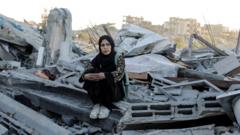
In the aftermath of ongoing conflict, rebuilding efforts in Gaza will necessitate an extensive and time-consuming approach, according to United Nations officials. Sam Rose, the acting director of the UN agency for Palestinian refugees (UNRWA) in Gaza, emphasized that the struggle extends beyond supplying basic necessities like food and healthcare; it encompasses the comprehensive reconstruction of homes, infrastructure, and community well-being.Following a ceasefire agreement and the release of hostages between Israel and Hamas, there was a marked increase in humanitarian aid deliveries, with over 1,500 lorries carrying essential supplies entering Gaza. This influx, which includes vital resources such as food, clothing, and other winter necessities, had previously been stalled for months due to hostilities. The terms of the ceasefire stipulate that 600 aid lorries, including 50 with fuel, are required to enter Gaza each day throughout the initial six-week phase, during which there are expectations for the release of hostages held by Hamas.Despite this promising uptick in aid, Rose urged a holistic perspective on the needs of the people in Gaza, highlighting the deep emotional and physical scars of conflict. “Each individual has faced trauma and loss,” he noted, “and rebuilding will take a substantial and sustained effort.”The World Health Organization (WHO) is also mobilizing to restore Gaza's healthcare system, which is in disarray, with half of the hospitals out of service. Their 60-day action plan aims to repair hospitals, establish temporary clinics in devastated regions, and address pressing health concerns like malnutrition.The humanitarian crisis remains dire, as UN humanitarian chief Tom Fletcher pointed out the staggering needs of residents. Prior to the ceasefire, the blockade on aid and constant conflict had left a vast majority of Gaza's population—estimated at 2.3 million—displaced and facing devastating losses; the UN reports that 60% of buildings have been damaged or destroyed.Additionally, severe food shortages are evident with IPC assessments indicating that nearly 1.84 million people in Gaza suffer from acute food insecurity, while 133,000 individuals are on the brink of famine. The situation is compounded by a lack of consistent access to essential supplies due to military restrictions.As residents begin to return to their homes, many express shock and despair at the destruction. A resident returning to northern Gaza remarked that her community looked as though it had experienced an earthquake, emphasizing her determination to remain in her home despite the hardships.Moving forward, UNRWA's operations are threatened by new Israeli laws aimed at restricting their presence in Gaza, which could further complicate reconstruction efforts. While Israeli officials have accused UNRWA of collusion with Hamas, the agency asserts its commitment to providing essential assistance and asserts its irreplaceable role in Gaza.The path to recovery is undeniably steep for Gaza, as millions face both the physical and psychological toll of prolonged conflict. The United Nations stands ready to navigate the complex landscape, but the journey to rebuild lives, homes, and hope will be a long-term commitment from the global community.