In brief
The haunting remnants of el-Geneina stand as a testament to the humanitarian disaster in Darfur, where the UN's relief chief unveiled grim realities of violence and famine. Amidst ongoing turmoil and accusations of ethnic cleansing, displaced individuals share harrowing tales of survival, echoing a cry for urgent international attention to one of the world's worst humanitarian crises.
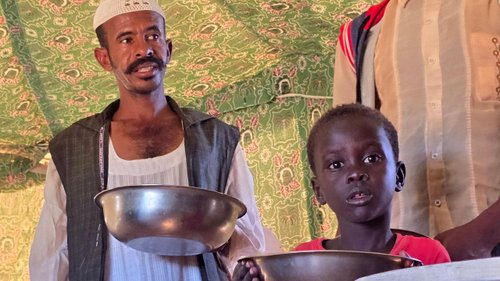
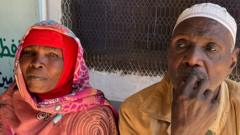
In the scarred landscape of el-Geneina, the shadows of recent violence loom large. Streets lined with devastated buildings tell a story of a community caught in the crossfire of Sudan's brutal conflict, where hunger and horror run rampant. This once-vibrant town is now a ghostly shell, echoing the chilling aftermath of massacres that claimed thousands of lives and displaced untold numbers.On a rare visit facilitated by negotiations with rival military factions, Tom Fletcher, the UN's new relief chief, arrived in el-Geneina to grasp the true extent of the catastrophe inflicted upon its residents. His impressions speak volumes: “Darfur has seen the worst of the worst,” indicating a conflict marked by ethnic violence, rampant sexual abuse, and an impending famine threatening to engulf the region.The reports from the ground detail harrowing personal accounts of survival against the dire backdrop of violence, particularly targeting the non-Arab Masalit community. Witness accounts reveal systematic brutality attributed to the paramilitary Rapid Support Forces (RSF) and their allied militias, raising serious concerns over allegations of ethnic cleansing and crimes against humanity. The Sudanese Armed Forces (SAF) also face condemnation for their role in this chaos, as the death toll from previous massacres swells to an estimated 15,000.As Fletcher and his delegation navigated the raw remnants of el-Geneina, they found countless individuals—particularly women and children—who fled the brutality, seeking refuge in makeshift camps across the border in Chad. Their stories resonate with pain and loss; they speak of loved ones killed, homes ravaged, and a relentless fight for survival. A 14-year-old girl recounted the harrowing journey her family endured, highlighting the constant fear and the grave necessity to travel under the cover of darkness to avoid detection.Within the al-Riyadh displacement camp, the elderly, women and children congregate, echoing a strong sense of loss and urgency. They appeal for assistance, sharing urgent needs for food security, education, and clean water. The UN’s presence offers a glimmer of hope, yet deep frustration underlines the reality that aid has been slow to materialize.Fletcher's visit posed questions about the effectiveness of international responses to the crisis, as humanitarian organizations operating on the ground emphasize a lack of adequate support. Some express concern that the world’s attention has shifted towards other global crises, leaving Darfur in a perilous state.Despite the challenges posed by a fragmented political landscape bolstered by global powers fueling the conflict, Fletcher remains steadfast in his commitment to pivoting attention back to Sudan’s dire humanitarian situation. He pledges to enhance aid delivery and rally support as Darfur grapples with severe food shortages and a humanitarian system that struggles to adapt.Amid the turmoil, voices from the ground echo a plea for not only survival but an urgent need for understanding and intervention in what has become one of the most pressing humanitarian crises of our time.