In brief
Summary: In March 2013, Jorge Mario Bergoglio became Pope Francis, marking a significant shift in the Catholic Church's leadership, prioritizing global perspectives and responding to pressing crises within the institution.
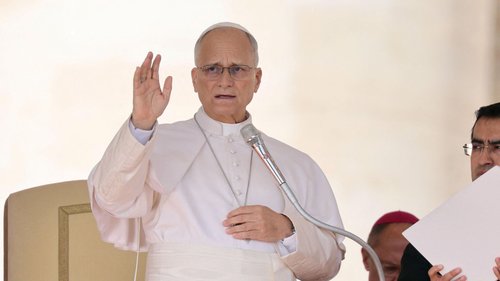
In March 2013, the Roman Catholic Church made a momentous choice by electing Jorge Mario Bergoglio as Pope Francis, the 266th pontiff. His appointment not only marked a historic moment for the church but was also notable as the first time a South American became pope, arriving at a time when the Catholic faith was facing a multitude of pressing issues. At the age of 76, Bergoglio brought with him a rich background as the archbishop of Buenos Aires and was the first Jesuit pope in history. With this election, the cardinals signaled a crucial shift in focus towards the global south, where a large majority of Catholics reside. His humble upbringing as the son of Italian immigrants, coupled with a commitment to serve the marginalized, defined the essence of his papacy from the onset.Pope Francis stepped into his role amid significant challenges, including a dwindling number of priests, the rise of evangelical movements in the Southern Hemisphere, a pervasive sexual abuse crisis that threatened the church's credibility, and administrative complexities within the Vatican itself. The conclave that led to his election underscored the urgency of these issues, with cardinals engaging in deep dialogue about the future leadership of the church.Cardinal Christoph Schönborn of Vienna articulated the distinction of the papal role by emphasizing that it transcends conventional political leadership, serving instead as the spiritual guide for a global community of believers. Rachel Donadio, a former Rome bureau chief, reflects on this pivotal moment, highlighting how Francis' election was a decisive step in steering the Church towards addressing contemporary realities and adopting a more inclusive approach.