In brief
This article explores the lesser-known facts about Lesotho, addressing its unique geography, cultural heritage, and pressing social issues.
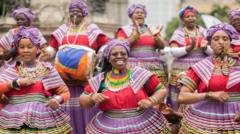
Lesotho, often dubbed as the "Kingdom in the Sky," is a small landlocked nation in southern Africa, entirely surrounded by South Africa, yet rich in unique attributes that many may not recognize. From its towering mountains to historical cultural elements, here are nine critical insights about this remarkable country.First, the geographical highlight of Lesotho is its magnificent highland terrain. With the entire nation resting above 1,000 meters in elevation, it boasts an unprecedented range of altitudes and landscapes. Villagers often rely on horseback or walking to navigate the rugged paths connecting their remote homes.Lesotho's Matekane Airstrip stands out as one of the most daunting airstrips globally, with its hilly approaches and abrupt drops at each end, making landings a high-adrenaline experience that can be likened to a bird's first flight.Despite the elevation, Lesotho is also defined by its geographical proximity to South Africa. This closeness, however, poses challenges in land use, as farming is scarce, pushing many Basotho to seek employment across the border, further entwining their fates with their neighbor.The Basotho, totaling over two million residents, share cultural attributes with South Africans, including the widely spoken Sesotho language. Interestingly, more people speak this language in South Africa than in Lesotho itself.Among Lesotho's valuable resources is its “white gold” – water, which is extracted and supplied to South Africa. The capability to harness this resource is vital, as Lesotho also houses diamond deposits, significant for its export economy.Interestingly, Lesotho has embraced snow sports with the establishment of AfriSki, the highest ski resort in sub-Saharan Africa. Situated in the Maloti mountains, it seems to invite adventure seekers to experience winter amidst Africa's highlands.The residents of Lesotho, known as Basotho, culturally stand out for their intricate blankets and conical hats, which symbolize national pride. The blankets, often rich with stories and history, showcase their artistic craftsmanship and are worn during significant events.However, Lesotho faces notable health challenges, particularly concerning its high HIV prevalence rate, where one in five adults lives with the virus. International efforts, especially from the US government, aim to mitigate the effects through healthcare investments.On the economic front, Lesotho has emerged as a significant player in the denim industry, with many jeans worn in the US produced in its factories. This development marks Lesotho as the "denim capital of Africa," showcasing the global impact of its textile exports.Despite its cultural vibrance, Lesotho grapples with stark social issues, including the highest suicide rate in the world, attributed to various factors such as substance abuse and lack of mental health resources. This serves as a poignant reminder of the urgent need for developmental and health initiatives within this mountainous kingdom.In summary, Lesotho, with its breathtaking landscapes, rich traditions, and profound challenges, offers a complex portrait of resilience and cultural heritage that deserves recognition beyond the shadows of undiscovered narratives.