In brief
China's decision to send Vice-President Han Zheng to Donald Trump's inauguration highlights the delicate balance of diplomacy amid shifting US-China relations. As tensions mount over potential tariffs and rhetoric, Han's presence symbolizes a cautious engagement strategy while maintaining a degree of distance from Trump's administration.
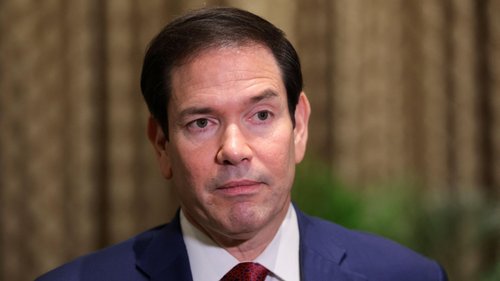
China is making a noteworthy diplomatic gesture by sending Vice-President Han Zheng to witness President-elect Donald Trump’s inauguration—a significant move as it's the first time a senior Chinese leader will be present at such an event. The invitation extended to Trump by Chinese President Xi Jinping breaks from tradition, as foreign leaders typically do not attend US presidential inaugurations. Nevertheless, Beijing has expressed its intention to foster a cooperative relationship with the incoming US government, emphasizing the need to find common ground in what it refers to as a "new era."Yet, the mood in Beijing is cautious. The anticipated Trump presidency comes with expectations of new tariffs on Chinese imports and a more confrontational stance towards China, as articulated by prominent figures like Marco Rubio, nominee for Secretary of State, who deems China the "largest, most advanced adversary America has ever faced." Despite these challenges, Han's attendance illustrates Xi's desire to engage in constructive dialogue with Trump while keeping a strategic distance.Historically, Xi Jinping has opted not to attend inaugurations or coronations, relying instead on representatives. In prior inaugurations, the Chinese ambassador to the US represented Beijing, while other high-ranking officials like Wang Qishan and Han Zheng attended ceremonies in other nations. This deviation from Xi’s usual practice with Han's appointment hints at a deliberate move to foster dialogue without engaging in what could be perceived as submissive behavior.Moreover, Trump's invitations to other leaders, including Argentinian President Javier Milei and Italian Prime Minister Giorgia Meloni, seem designed to project an image of openness, even towards nations perceived as adversaries. Analysts suggest this could be an attempt by Trump to showcase influence over Xi's decisions, hinting at a unique bilateral connection.Notably, Han Zheng, who was appointed as vice-president in March 2023, has a long political history intertwined with Xi, having served as his aide in Shanghai. His foreign affairs experience makes him suitable for this mission. However, his recent removal from the Politburo Standing Committee suggests a strategic choice by Xi; if relations worsen, the Chinese party can distance itself from Trump more easily through Han, who is not considered a core ally of the president.As the world watches, Han's participation at the inauguration may reflect the complexities of US-China dynamics and the careful calibration of diplomatic relations in an uncertain geopolitical landscape. This maneuver by China could signify an effort to engage in diplomacy while preparing for the potential fallout of a tougher Trump administration.