In brief
In the wake of Mozambique's contested elections, opposition leader Venâncio Mondlane has signaled openness to joining President Daniel Chapo’s government if specific demands are met. Both leaders have discussed the potential for cooperation to heal political divides and improve the country’s governance.
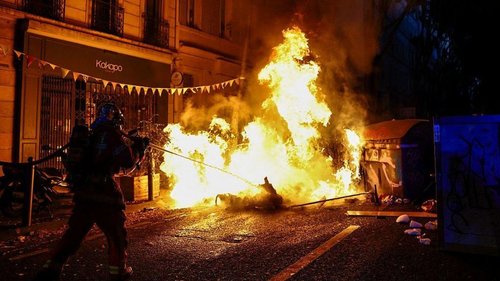
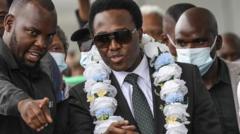
Mozambique's political landscape is experiencing a potential shift as opposition leader Venâncio Mondlane has indicated to the BBC his readiness to collaborate within President Daniel Chapo's administration if his conditions are satisfactorily addressed. The turbulence following the recent elections, which resulted in unrest and approximately 300 fatalities, has prompted Mondlane to seek an end to the political standoff.Chapo, who secured a reported 65% of the vote amid allegations of fraud from Mondlane, expressed his intentions of forming an "inclusive" government. He is currently assessing whether to extend an invitation for Mondlane to join discussions aimed at addressing electoral reforms, human rights issues, and fostering a climate of free expression.Despite the highest court's ruling in favor of Chapo's election, Mondlane contended that he was wrongfully defeated and claimed he was “forced” into opposition. Following his self-declared inauguration as the "people's president," he has issued a temporary suspension of protests in exchange for specific conditions: the release of approximately 5,000 detainees, compensation for families affected by police violence during protests, and medical aid for those injured.With both leaders open to dialogue, Mondlane articulated that his engagement hinges on Chapo’s sincere willingness to collaborate. "He has a chance to invite me to the table of dialogue," he stated, emphasizing the importance of earnest cooperation to create stability and resolve the ongoing crisis.Chapo, aware of the historical political divide created by the recent elections, affirmed his aspiration to lead a government conducive to all Mozambicans. He underscored the significance of meritocracy in selecting government participants while acknowledging the necessity for increased investment to stimulate the economy and generate job opportunities, particularly for the youth.Both Mondlane, age 50, and Chapo, age 47, represent different visions for Mozambique’s future amid a populace eager for change and progress after decades of Frelimo's governance. Their willingness to communicate may signal a developing pathway towards unity and reform in this pivotal moment for the nation.