In brief
The death toll from Cyclone Chido in Mozambique has nearly doubled to 75 as rescue efforts reveal widespread destruction in the Cabo Delgado province, an area already suffering from an insurgent conflict. The cyclone exacerbates the plight of communities displaced by violence, underscoring the vulnerability of one of the world's poorest nations to climate change and severe weather events.
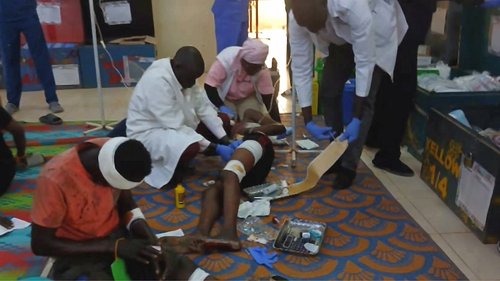
The death toll from Cyclone Chido’s devastation in Mozambique has tragically risen to 75, according to government reports. This alarming figure nearly doubles previous estimates, as rescue teams navigate through heavily affected areas that remained inaccessible. The cyclone struck Cabo Delgado province, a region embroiled in a yearslong insurgency linked to the Islamic State, forcing countless residents to flee their homes.As rescue operations reveal the extent of the disaster, authorities report at least 69 fatalities in Cabo Delgado, alongside approximately 740 injuries. Many lives were lost in rural districts such as Mecufi, where damage was described as "utter destruction." A United Nations refugee agency officer, Isadora Zoni, expressed the stark reality, noting that “everything’s been flattened.”The cyclone, which made landfall early this week, was particularly devastating given Mozambique's status as one of the poorest countries globally, often bearing the brunt of climate change impacts. Landmarks, including houses constructed of mud and wood, succumbed easily to winds reaching up to 115 miles per hour, showcasing the severe vulnerabilities of local infrastructure. Reports revealed shattered maternity clinics, overturned medical equipment, and classrooms left in ruins.The situation is further complicated in Cabo Delgado, where hundreds of thousands have already sought refuge from ongoing insurgency violence. The cyclone’s aftermath has hampered relief efforts in areas where residents were residing in tents, amplifying their struggles from both conflict and natural disasters.Cyclone Chido has also affected nearby Mayotte, a French archipelago, with authorities reporting at least 31 fatalities there. The cyclone’s trajectory raised alarm bells as analysts warn it may indicate the onset of a particularly harsh rainy season for the region, historically prone to cyclones and flooding.Reflecting on past storms like Tropical Cyclone Freddy and Cyclone Gombe, which inflicted substantial casualties in Mozambique, the lingering impacts of extreme weather patterns highlight the growing urgency to address climate change. With nearly 140,000 people displaced due to environmental crises, Mozambique's realities underline the complex interplay between climate vulnerability and regional conflicts, calling for immediate attention from international humanitarian efforts.